
Chemical peels can improve sun damage, uneven skin texture, and acne-related concerns. Contact us today to schedule.
If you’ve noticed dull skin, uneven tone, rough texture, or lingering marks from past breakouts, you’re not alone — and you’re not out of options. Chemical peels are one of the more versatile treatments in medical dermatology, addressing several of these concerns with a single approach.
They’re also one of the more misunderstood. The phrase “chemical peel” can sound more intense than the reality, which is why it helps to understand what the treatment actually involves — and what it can and can’t do for your skin.
What Is a Chemical Peel?
A chemical peel involves applying a carefully selected solution to the skin that causes controlled exfoliation of the outer layers. As those layers shed, newer skin beneath is revealed — skin that’s typically smoother, more evenly toned, and more receptive to skincare products.
The depth of a peel — superficial, medium, or deep — determines how many layers are addressed and how significant the improvement and recovery may be. Formulation, concentration, and application time are all adjusted based on your skin type, tone, and specific concerns.
What Can a Chemical Peel Help With?
Sun Damage and Uneven Pigmentation
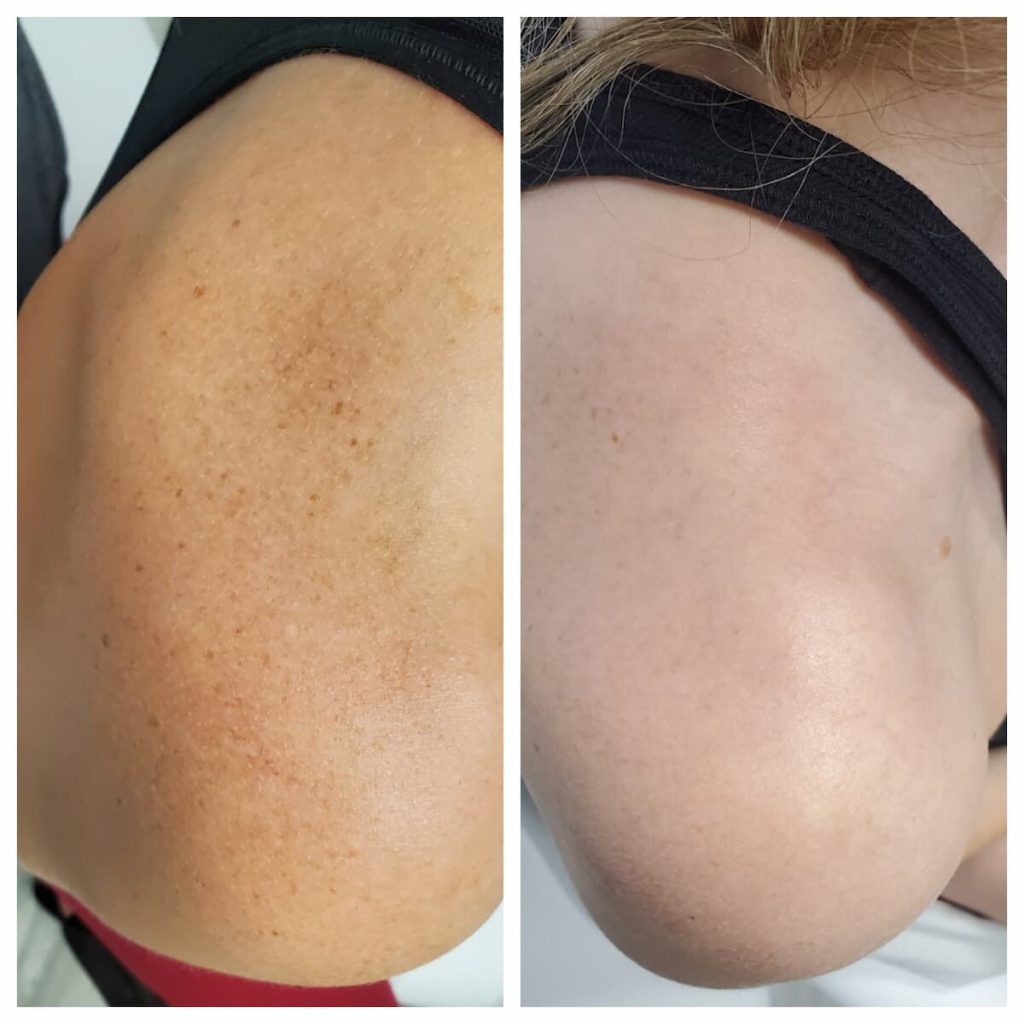
For patients in Jacksonville with years of UV exposure, chemical peels can be an effective option to improve the appearance of sun-damaged skin. Solar lentigines (age spots), diffuse discoloration, and a generally dull or uneven complexion are all concerns that certain peel formulations can address at the surface level.
Peels work particularly well for pigmentation that lives closer to the skin’s surface. Deeper or more stubborn pigmentation may require a combination approach, which your provider can discuss during a consultation.

Skin Texture and Tone
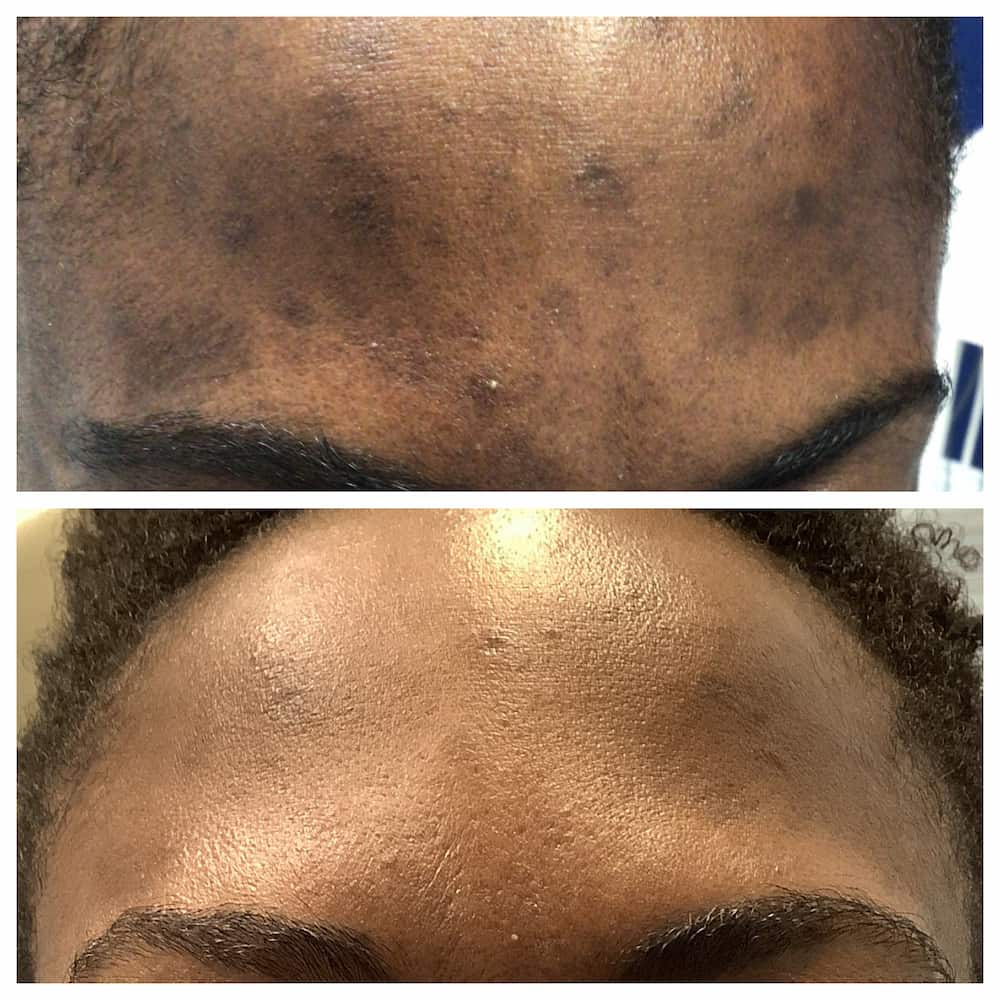
Rough texture, enlarged pores, and a lack of overall skin clarity are common complaints — especially as skin ages and cell turnover slows. Chemical peels accelerate that turnover process, helping resurface the outer layer and reveal a smoother, more refined appearance beneath.
For patients dealing with early fine lines or a generally tired, uneven complexion, even a superficial peel series can produce a noticeable improvement in skin quality over time.
Acne and Post-Acne Marks
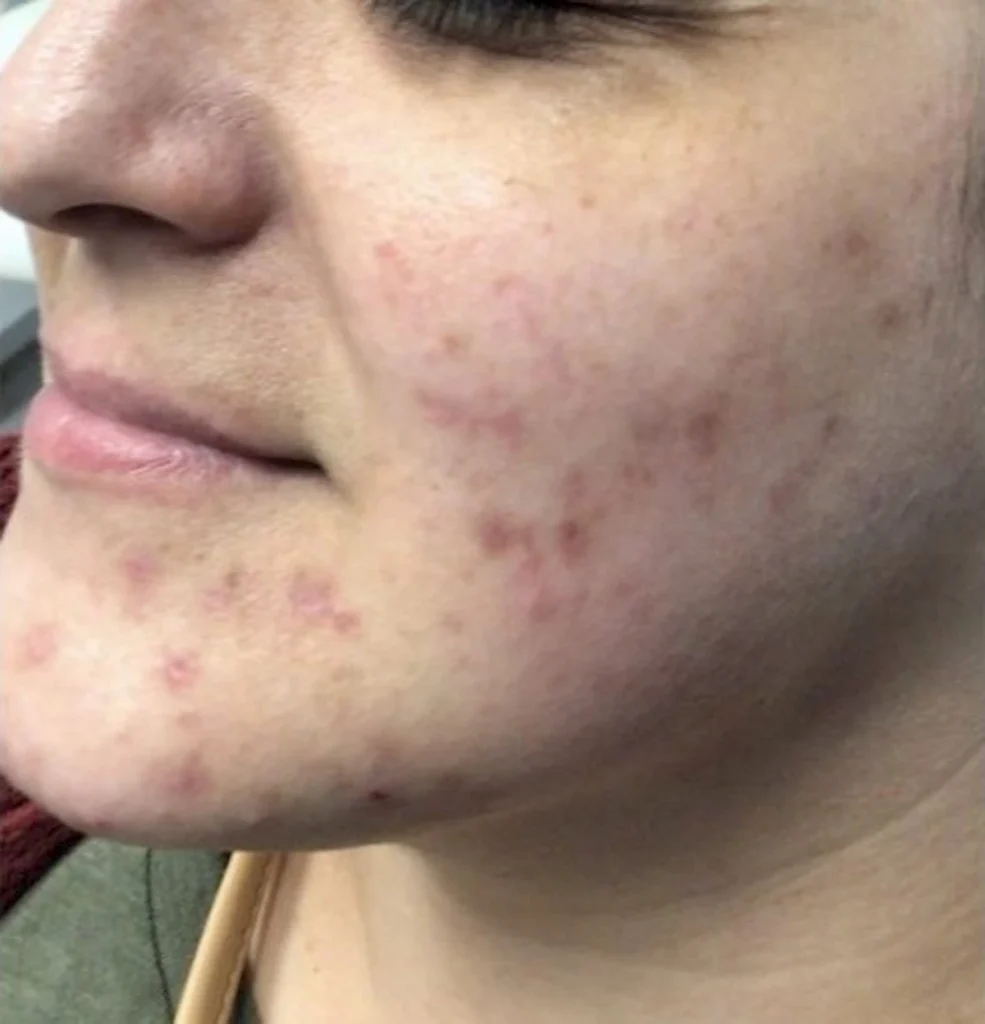
Certain peel formulations — particularly those containing salicylic acid — are well-suited for acne-prone skin. They help clear pore congestion, reduce surface bacteria, and improve the skin’s overall environment, which can lead to fewer breakouts with consistent treatment.
Beyond active acne, peels are also commonly used to address post-inflammatory hyperpigmentation — the dark marks that linger after a breakout clears. These flat, discolored spots often fade faster with treatment than they would on their own.
What to Expect
A peel appointment is typically brief and performed in-office. Depending on the formulation, you may experience mild tingling or warmth during the treatment. Afterward, skin may look slightly flushed or feel tight. Peeling or flaking — when it occurs — usually begins a few days after treatment and resolves within a week, depending on the peel’s depth. Most patients return to normal activity quickly. Sun protection after any peel is essential, especially given Jacksonville’s UV environment.
Results vary and often build over a series of treatments rather than appearing after a single session. Your provider will set realistic expectations during your consultation based on your skin and goals.
Is a Chemical Peel Right for You?
Candidacy depends on your skin type, tone, the nature of your concerns, and your overall skin health. Certain skin tones require more careful formulation selection to avoid pigmentation side effects. A consultation is required before any treatment to ensure the right peel type and depth are selected for your individual skin.
Results vary. Treatment plans are individualized. A consultation is required to determine candidacy.
Request a Consultation in Jacksonville
If you’re considering a chemical peel and want an honest assessment of whether it’s a good fit for your skin, our team is here to help.
Call (904) 420-7372 or fill out our online contact form.
This content is for educational purposes only and is not a substitute for professional medical advice, diagnosis, or treatment.
GET IN TOUCH