
Home / Medical Dermatology / Eczema & Rashes
Eczema & Rash Treatment in Jacksonville
A rash that won’t quit changes how you sleep, dress, and go about your day. Whether it’s eczema, contact dermatitis, or a flare no one has put a name to yet, relief starts with the right diagnosis. At Jacksonville Dermatology & Cosmetic Surgery, eczema and rashes are diagnosed and treated by our experienced providers under the medical direction of Dr. Brandon T. Beal, a double board-certified, fellowship-trained dermatologist.
Double board-certified
Dr. Beal holds board certification in dermatology and Mohs micrographic surgery.
Fellowship-trained
Advanced training under Drs. Zitelli and Brodland.
Physician-owned
Independently owned small business, never a corporate chain.
Southpoint, Jacksonville
Off I-95 at Southpoint, minutes from most of Jacksonville and the beaches.
What Is Eczema?
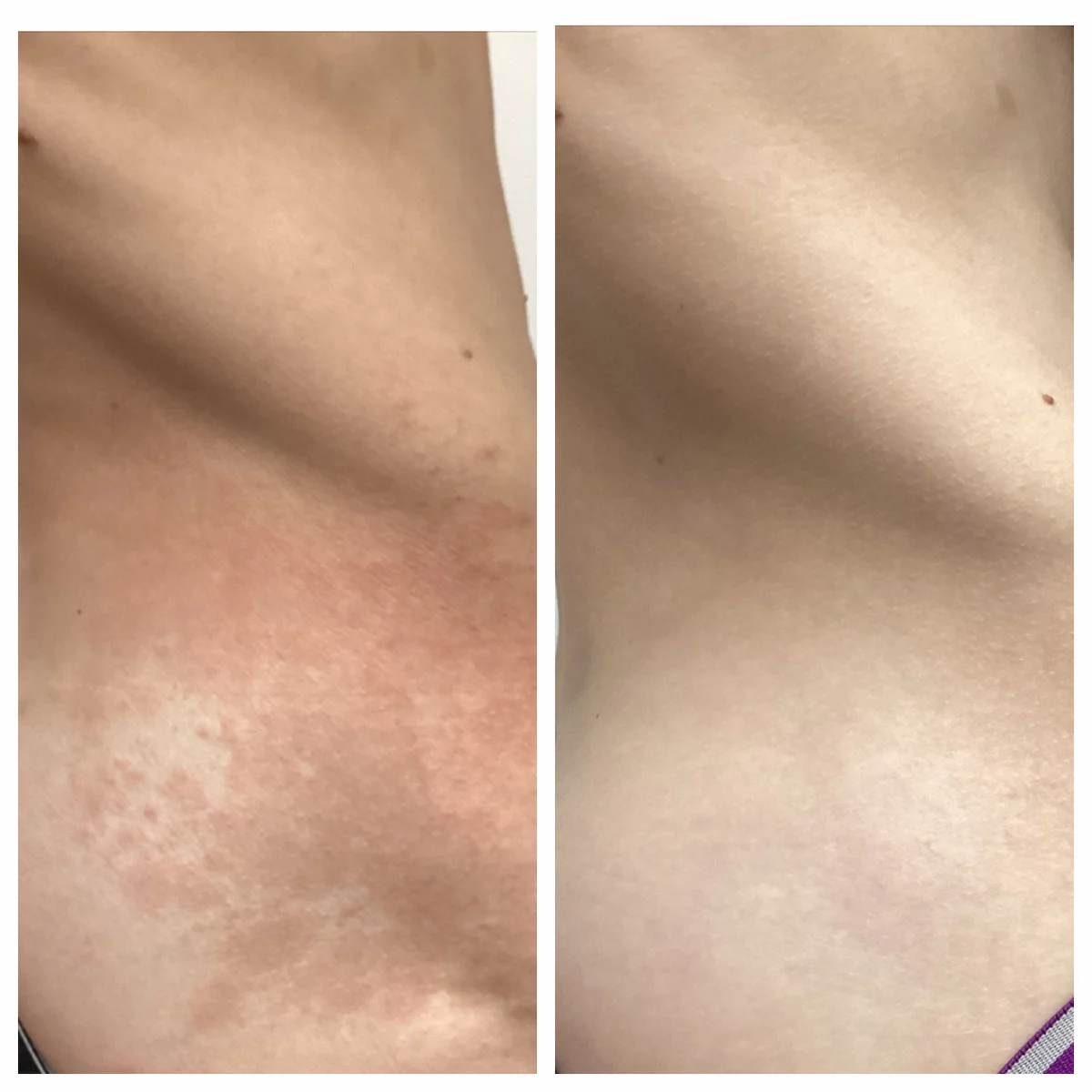
Eczema is a common, non-contagious condition that makes the skin red, inflamed, and intensely itchy. The exact cause isn’t fully understood; it’s believed to involve a mix of genetic, environmental, and immune system factors, and many people with eczema have a family history of allergies, asthma, or hay fever.
Not every rash is eczema, though, and that distinction matters, because the treatment depends on the diagnosis. Contact reactions, chronic conditions like psoriasis, infections, and irritation can all look similar to an untrained eye. Getting the name right is the first job of your visit.
Types of Eczema
Eczema shows up in several forms, each with its own pattern:
- Atopic dermatitis: the most common form, often linked to other allergic conditions.
- Contact dermatitis: triggered by direct exposure to irritants or allergens.
- Dyshidrotic eczema: small, itchy blisters on the hands and feet.
- Nummular eczema: round, coin-shaped patches on the skin.
- Seborrheic dermatitis: affects oily areas like the scalp and face.
- Stasis dermatitis: occurs on the lower legs, related to circulation.
Common symptoms
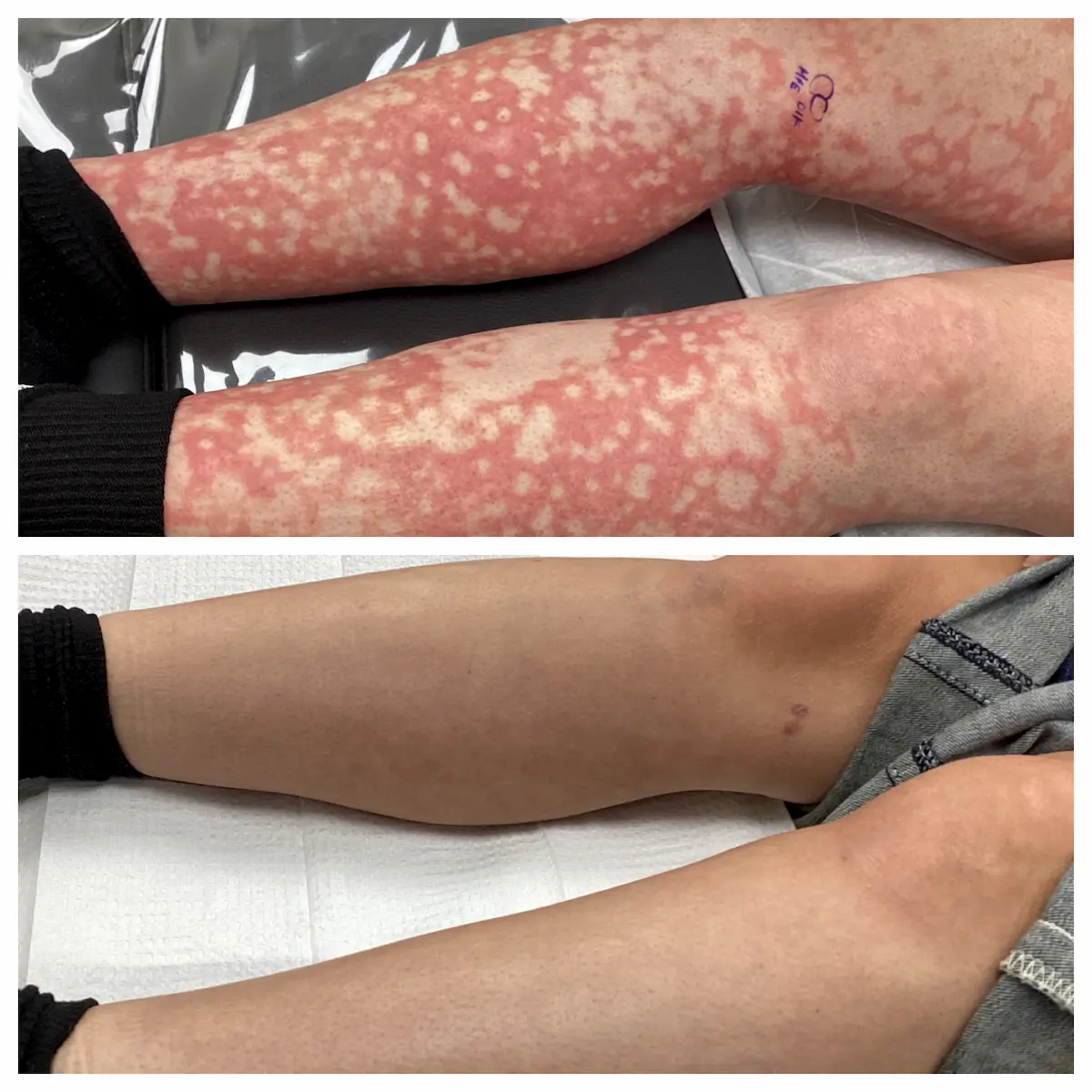
Symptoms vary from person to person, but the usual suspects are intense itching (often worst at night), red or brownish-gray patches, dry, scaly, or cracked skin, thickened or swollen skin in long-standing cases, and small raised bumps that can ooze and crust over when scratched.
What Triggers Flare-Ups?
- Climate. Extreme heat, humidity, and sweat are classic triggers, and Jacksonville has all three for most of the year. Air conditioning helps you cool off but dries the skin, a one-two punch many Florida eczema patients know well.
- Irritants. Harsh soaps, detergents, and fragranced products.
- Allergens. Dust mites, pollen, mold, and pet dander.
- Diet. Certain foods, such as eggs or dairy, may worsen symptoms in some individuals.
- Stress. Emotional stress is a well-known flare trigger, and the itch-scratch-stress cycle feeds itself.
Diagnosis and Treatment
Diagnosis starts with a physical exam and a review of your history: when it flares, where it shows up, and what you’ve already tried. In some cases, patch testing or a small skin sample may be recommended to pin down triggers or rule out look-alike conditions.
Treatment is then built around your skin and your life:
- Prescription topicals to calm inflammation and break the itch cycle.
- Oral medications, which your provider may discuss for more severe or stubborn cases.
- Light-based treatment (phototherapy) may be part of the plan for some patients.
- Skincare and trigger coaching: practical guidance on routines, products, and the specific triggers driving your flares.
- Barrier repair: moisturizers chosen to hydrate and rebuild the skin’s protective barrier, the unglamorous workhorse of eczema control.
Living With Eczema in Florida
Eczema is a chronic condition, which means the honest goal is control, not a cure: fewer flares, milder flares, and skin that lets you forget about it most days. Day to day, that looks like moisturizing with a fragrance-free product right after bathing, choosing mild, hypoallergenic cleansers, wearing soft, breathable fabrics like cotton (a real consideration in Jacksonville summers), managing stress, and staying hydrated. Small habits, consistently kept, do a surprising amount of the work; your treatment plan does the rest.
Your Visit
1
Diagnosis
Your provider examines your skin, reviews your history and triggers, and puts a name to what’s happening, with patch testing or a skin sample if it’s needed.
2
Your plan
You leave with a written plan: prescriptions, the skincare routine to pair with them, and the specific triggers to work around, built for Florida’s climate, not against it.
3
Control
Chronic conditions need tuning. Follow-up visits let your provider adjust treatment as your skin responds, taper what’s no longer needed, and get ahead of seasonal flares.
Schedule an Eczema or Rash Evaluation in Jacksonville
If a rash keeps coming back, keeps you up at night, or over-the-counter creams aren’t touching it, it’s time for a diagnosis. We welcome patients from across the Jacksonville area, including Atlantic Beach and Neptune Beach, at our office at 6817 Southpoint Pkwy, Suite 101. Send a request through our contact page, or call (904) 420-7372 to speak with our team. You can also review our pricing page.
Common questions
Eczema & Rash FAQs.
Is eczema contagious?
No. Eczema cannot be passed from person to person by touch or shared items. It’s driven by genetics, immune factors, and environment, not by infection. Some rashes that look like eczema can be contagious, though, which is one more reason a proper diagnosis matters.
Can eczema be cured?
Eczema is a chronic condition, and we won’t promise you a cure. What treatment realistically delivers is control: fewer and milder flares, less itching, and skin that behaves most of the time. Many patients reach a point where eczema stops being a daily thought, and that’s the goal we work toward together. Results vary by individual.
When should I see a dermatology provider about a rash?
If a rash has lasted more than a couple of weeks, keeps returning, interferes with sleep, is spreading, or isn’t responding to over-the-counter care, it’s time. Same goes for any rash with blistering, oozing, or signs of infection. You don’t need to know what it is before you come in; figuring that out is our job.
Does Florida’s climate make eczema worse?
It can cut both ways. Heat, humidity, and sweat are classic flare triggers, while constant air conditioning dries the skin out, so Jacksonville patients often get squeezed from both directions. The fix is a routine built for this climate: breathable fabrics, rinsing off after heavy sweating, and consistent barrier-repair moisturizing. Your plan accounts for all of it.
Does insurance cover eczema treatment?
Eczema is a medical condition, and many insurance plans cover evaluation and treatment; the specifics depend on your plan. Our team can help you understand what to expect before your visit, and current information is on our pricing page.
Relief starts with the right diagnosis.
Medical eczema and rash care, from diagnosis to long-term control. Physician-owned and independent, in Jacksonville.