
Microneedling can improve skin texture, acne scars, and tone, but it’s not right for every concern. Contact us today to schedule.
Microneedling has become one of the more talked-about skin treatments in recent years — and with that attention comes a fair amount of confusion about what it actually does. Some patients arrive expecting a dramatic transformation. Others aren’t sure if it’s right for their specific concern at all.
The honest answer is that microneedling works well for the right candidates and the right concerns. It also has clear limitations. Understanding both sides is what makes the difference between a treatment that’s worth it and one that falls short of expectations.
How Microneedling Works
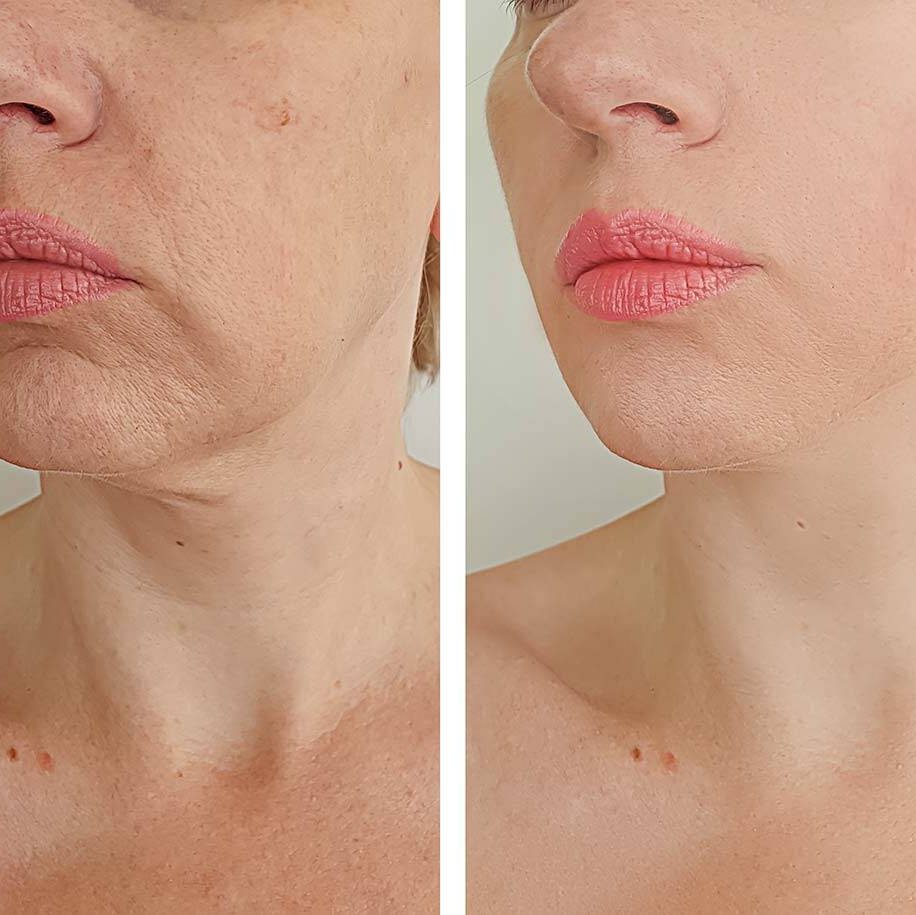
Microneedling uses a device with fine needles to create controlled micro-injuries on the skin’s surface. These small channels trigger the skin’s natural wound-healing response — stimulating collagen and elastin production in the deeper layers of the dermis.
The result, over time and across a series of treatments, is skin that’s firmer, smoother, and better in overall quality. Because the treatment works through the body’s own regenerative process, results build gradually rather than appearing overnight.
What Microneedling Can Help With
Acne Scarring
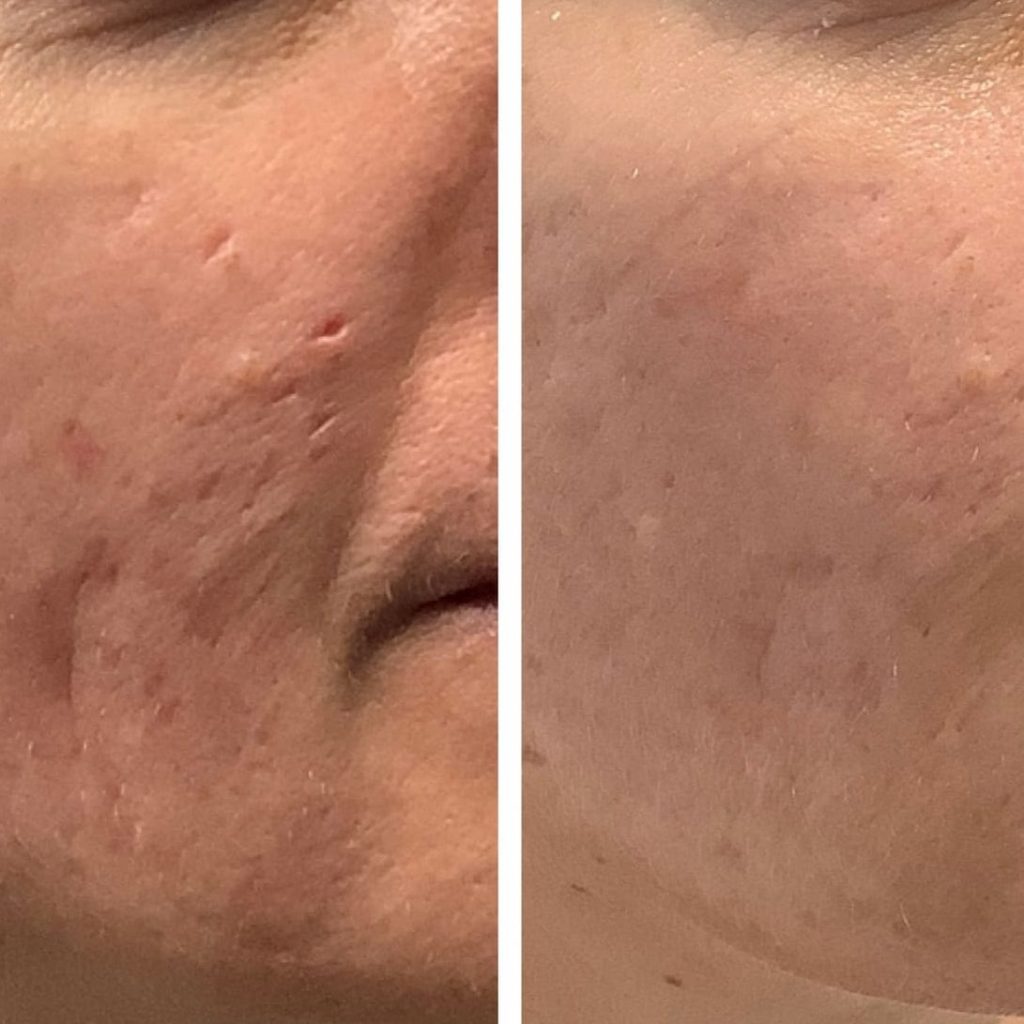
This is one of the strongest use cases for microneedling. Atrophic acne scars — the depressed, indented type that form when breakouts destroy collagen beneath the skin — respond well to repeated microneedling sessions. The collagen remodeling process helps fill in and soften these indentations over time.
Results vary depending on scar depth and type. Rolling and boxcar scars tend to respond better than ice pick scars, which are deeper and narrower. A consultation will help determine whether microneedling is the right approach for your specific scarring pattern.
Skin Texture and Tone
Patients dealing with rough texture, enlarged pores, or a generally uneven skin surface often see meaningful improvement with a microneedling series. The treatment encourages cellular turnover and collagen rebuilding, which can refine the skin’s surface and improve how light reflects off it.

Fine Lines and Early Skin Laxity
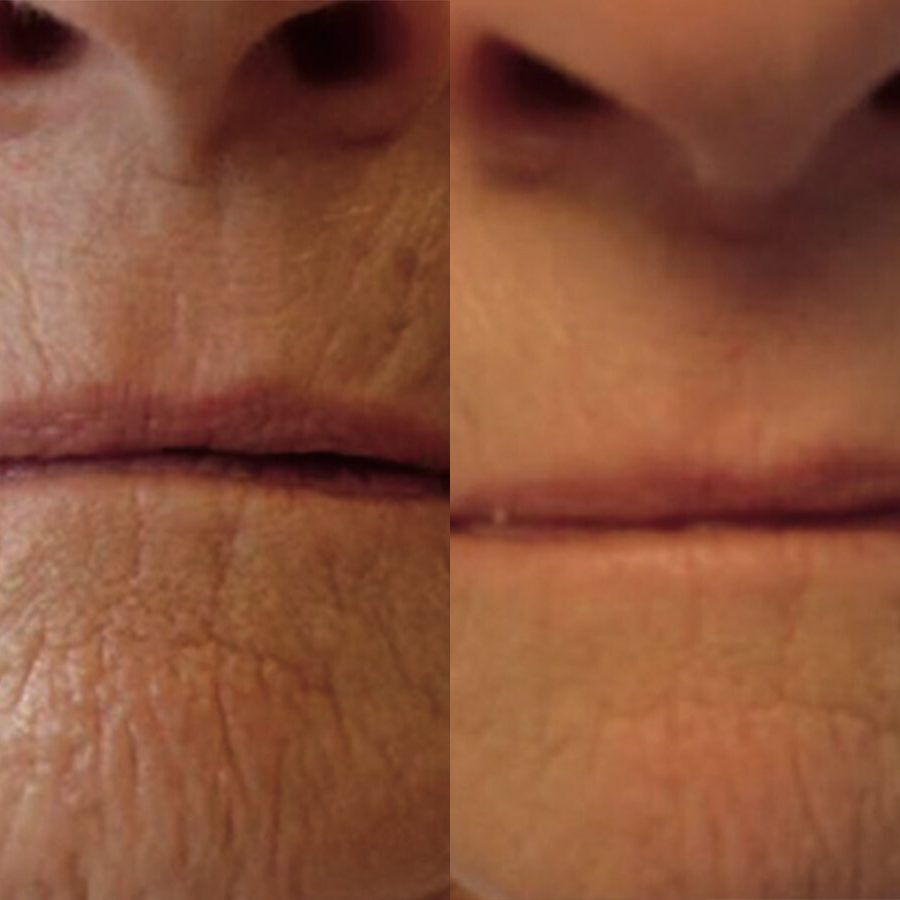
Microneedling is not a replacement for injectables for dynamic wrinkles, but it can improve overall skin quality and firmness — particularly for patients in their 30s and 40s who are noticing early changes in texture and elasticity.
Hyperpigmentation and
Uneven Skin Tone
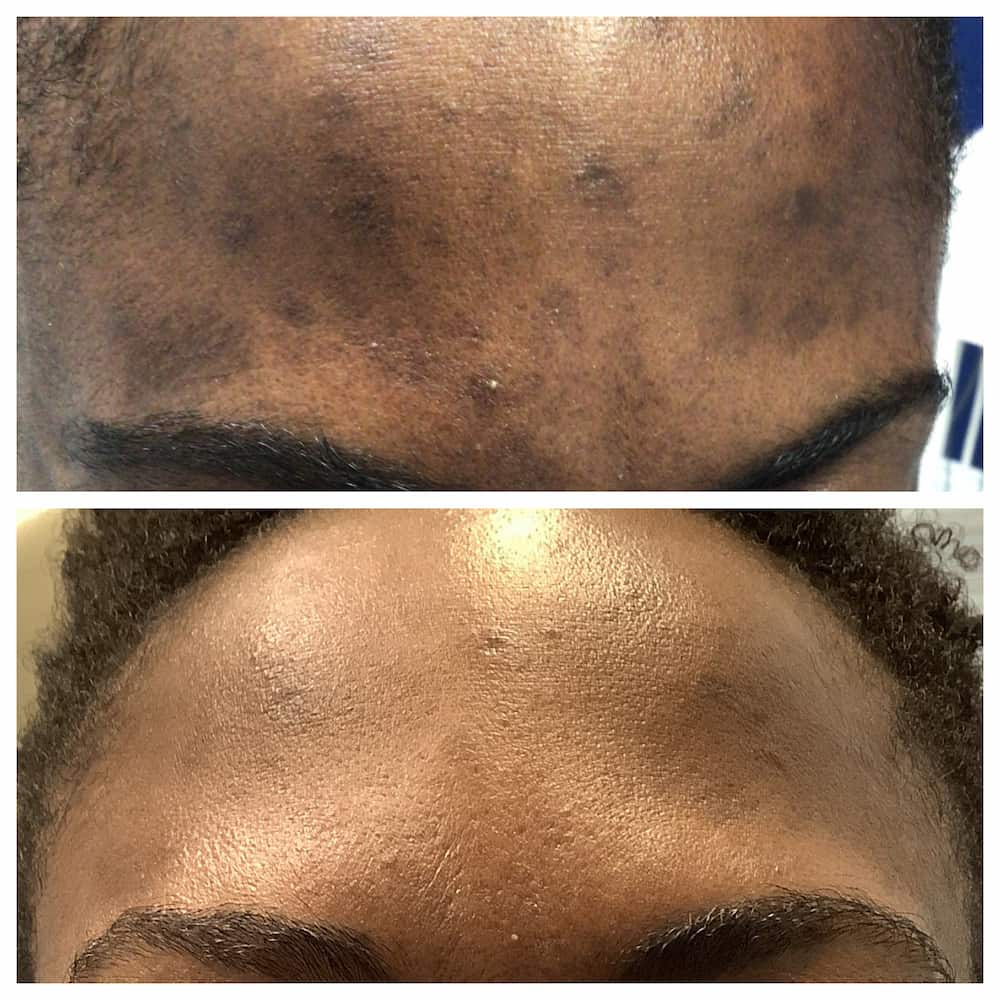
By promoting new cell turnover and improving skin receptivity, microneedling can help with certain types of surface-level pigmentation. It’s sometimes combined with topical treatments to enhance results for discoloration concerns.
What Microneedling Doesn’t Do
This is where expectations need to be managed carefully. Microneedling will not produce the same results as more aggressive resurfacing treatments. It works gradually through biological processes, so patience is part of the plan. Patients looking for a dramatic, immediate change in a single session are often disappointed.
It also won’t eliminate deep or severe scarring entirely. Improvement — sometimes significant improvement — is realistic. Complete removal of textural scarring is not.
Microneedling is not appropriate for skin with active acne, open wounds, or certain inflammatory conditions. Candidacy depends on your current skin health, and treatment should not be performed over active breakouts. And finally, one session is rarely enough. Most patients require a series of three to six treatments, spaced appropriately, to see the results they’re looking for. Maintenance treatments may be recommended after that.
What to Expect From the Process
A microneedling session is typically performed in-office. A topical numbing cream is applied beforehand to minimize discomfort. The treatment itself takes roughly 30 to 60 minutes, depending on the area being treated. Afterward, skin will appear red — similar to a mild sunburn — and may feel tight or sensitive for a day or two.
Most patients return to normal activity within 24 to 48 hours. Sun protection following treatment is important, and certain skincare products should be avoided while the skin heals. Results develop over weeks as collagen production increases. Full results from a series of treatments may take three to six months to be fully visible.
Results vary. Treatment plans are individualized. A consultation is required to determine candidacy.
Schedule a Consultation At Our Office Today
If you’re considering microneedling for acne scars, texture concerns, or overall skin quality, the most useful first step is a conversation with a provider who can assess your skin and tell you honestly whether it’s the right fit. Call (904) 420-7372 or fill out our online contact form.
This content is for educational purposes only and is not a substitute for professional medical advice, diagnosis, or treatment.
GET IN TOUCH