
Home / Medical Dermatology / Non-Surgical Mole Removal
Non-Surgical Mole Removal in Jacksonville
Whether a mole is catching on your collar, sitting somewhere you’d rather it didn’t, or simply worrying you, the path is the same: evaluation first, then a plan. At Jacksonville Dermatology & Cosmetic Surgery, moles are examined and removed non-surgically, without excision or stitches, by our experienced providers under the medical direction of Dr. Brandon T. Beal, a double board-certified, fellowship-trained dermatologist.
Double board-certified
Dr. Beal holds board certification in dermatology and Mohs micrographic surgery.
Fellowship-trained
Advanced training under Drs. Zitelli and Brodland.
Physician-owned
Independently owned small business, never a corporate chain.
Southpoint, Jacksonville
Off I-95 at Southpoint, minutes from most of Jacksonville and the beaches.
What Is a Mole?
Moles are benign (noncancerous) growths of a specific type of skin cell called melanocytes. They’re usually slightly darker than the surrounding skin, though their color can range from your normal skin tone to very dark brown. Moles most often appear on the face, chest, back, and upper arms and legs, but they can occur anywhere on the body.
Most moles never need to be removed. The ones that do usually fall into three groups: moles that get irritated because they catch on clothing, jewelry, or a razor; moles in an awkward location, like along a waistband or bra line; and moles people simply don’t like the look of, especially on the face. All three are good reasons to have a mole removed, and all three can typically be handled without surgery.
Evaluation Comes First, Every Time
Before any mole is removed, your provider examines it. That’s not a formality; it’s the whole point of having a mole removed at a dermatology office rather than anywhere else. Your provider checks the mole’s size, shape, color, and borders, and asks whether it has changed, itched, or bled.
If anything about the mole looks concerning, your provider may recommend a biopsy, where a small sample is examined under a microscope by a pathologist before anything else happens. And if it’s been a while since anyone looked at the rest of your skin, a mole visit is a natural time to schedule a full-body skin cancer screening, something we recommend regularly given Florida’s year-round sun.
How Non-Surgical Mole Removal Works
Once a mole has been evaluated and cleared for removal, your provider selects a non-surgical technique tailored to the mole’s size, depth, and location. The goal is the same in every case: remove the mole and leave the skin looking as smooth and natural as possible, with no excision and no stitches. The area is typically numbed first, most removals take only minutes, and aftercare is simple.
Cosmetic mole removal of the face is one of the most requested versions of this service. A prominent facial mole draws the eye, and because facial skin is so visible, technique and finesse matter most there; it’s exactly the kind of removal a non-surgical approach is suited for. Raised moles, smaller flat moles, and irritated moles elsewhere on the body are all commonly treated the same way. If you’re dealing with skin tags rather than moles, those have their own page: skin tag removal.
One honest note on scope: our Jacksonville office does not perform surgical or excisional procedures. Some moles, because of their size, depth, or biopsy results, are best removed surgically. If yours is one of them, your provider will explain why and help coordinate the right care.
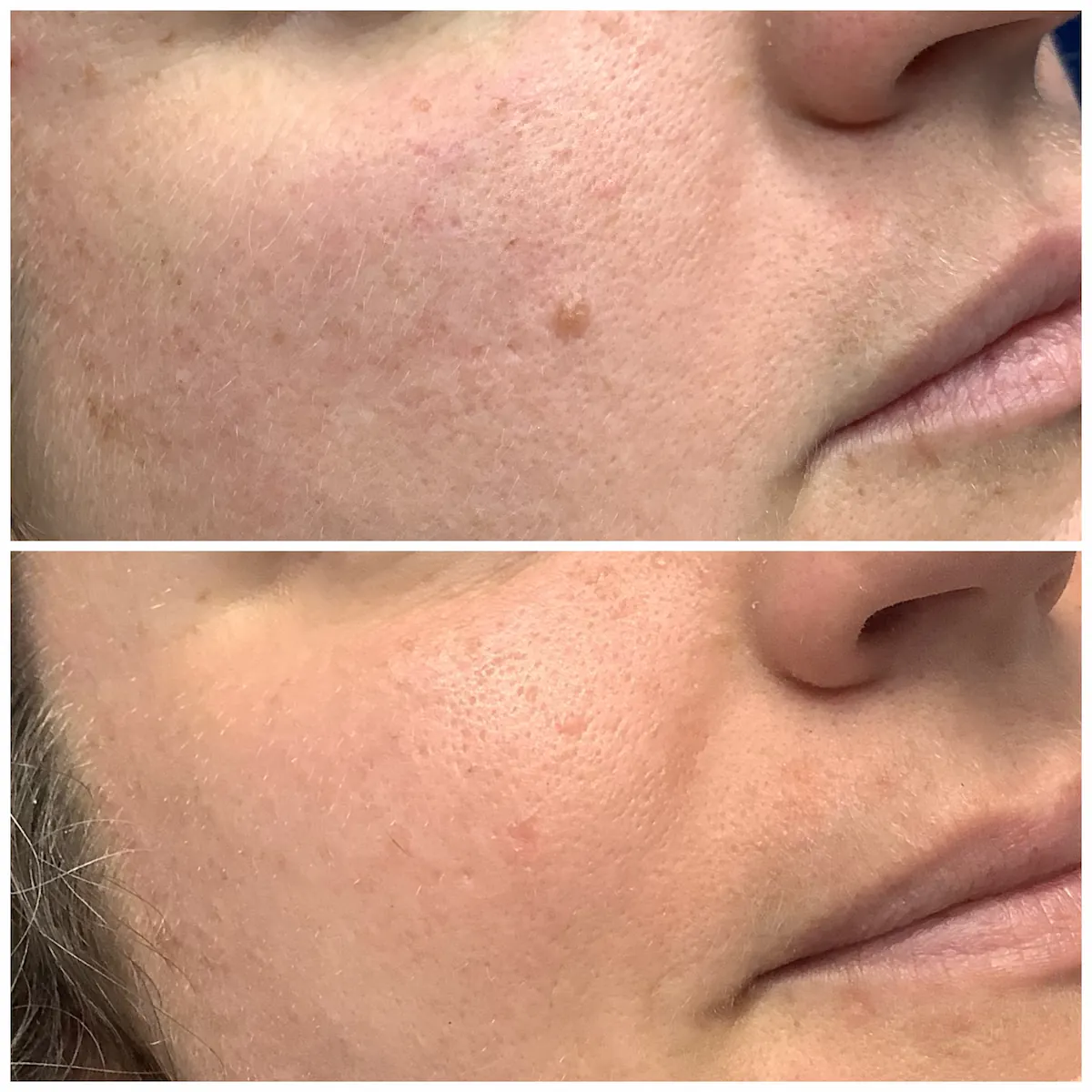
Mole Removal Before and After Photos
Real patients, real results. Every removal is tailored to the individual mole, and results vary from person to person.
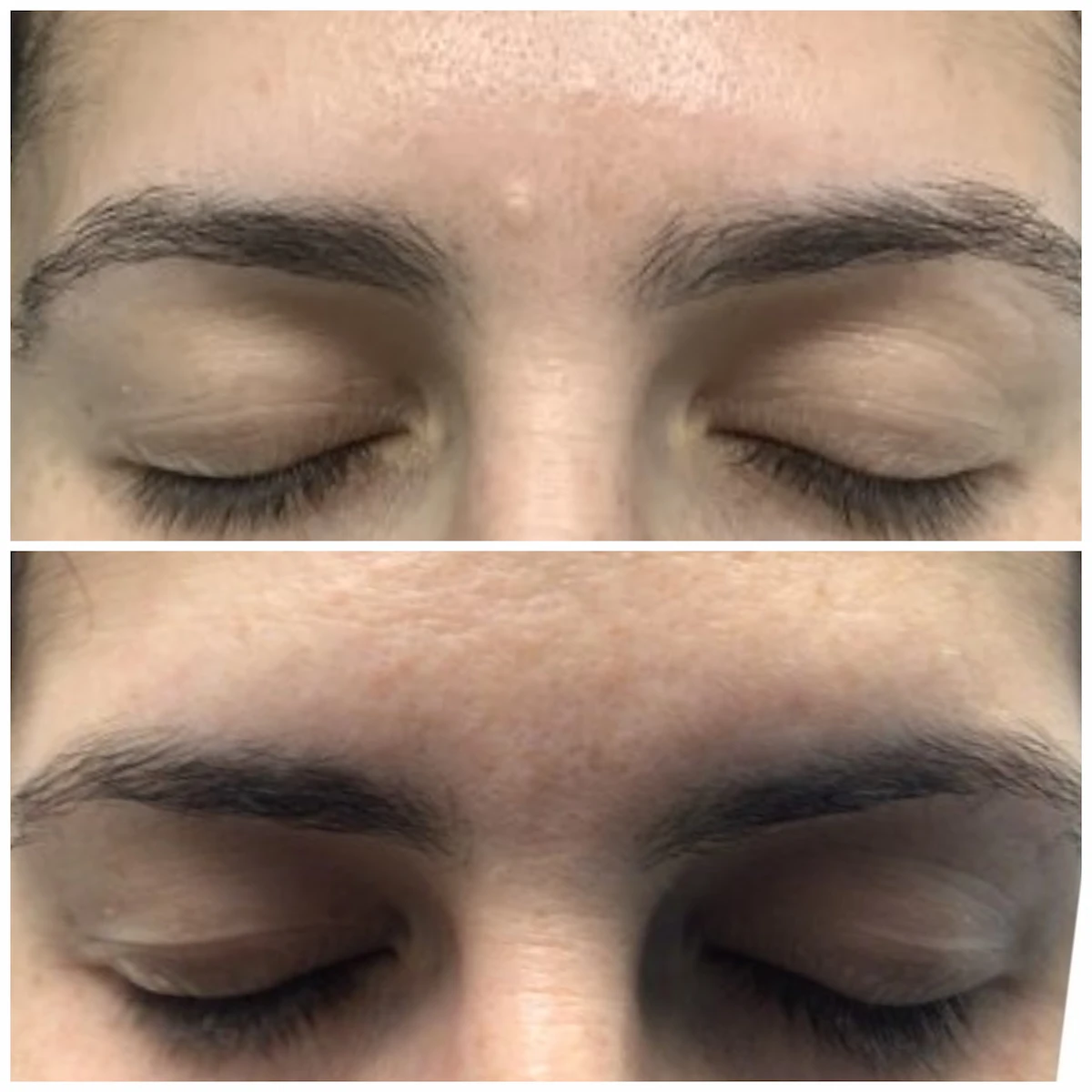
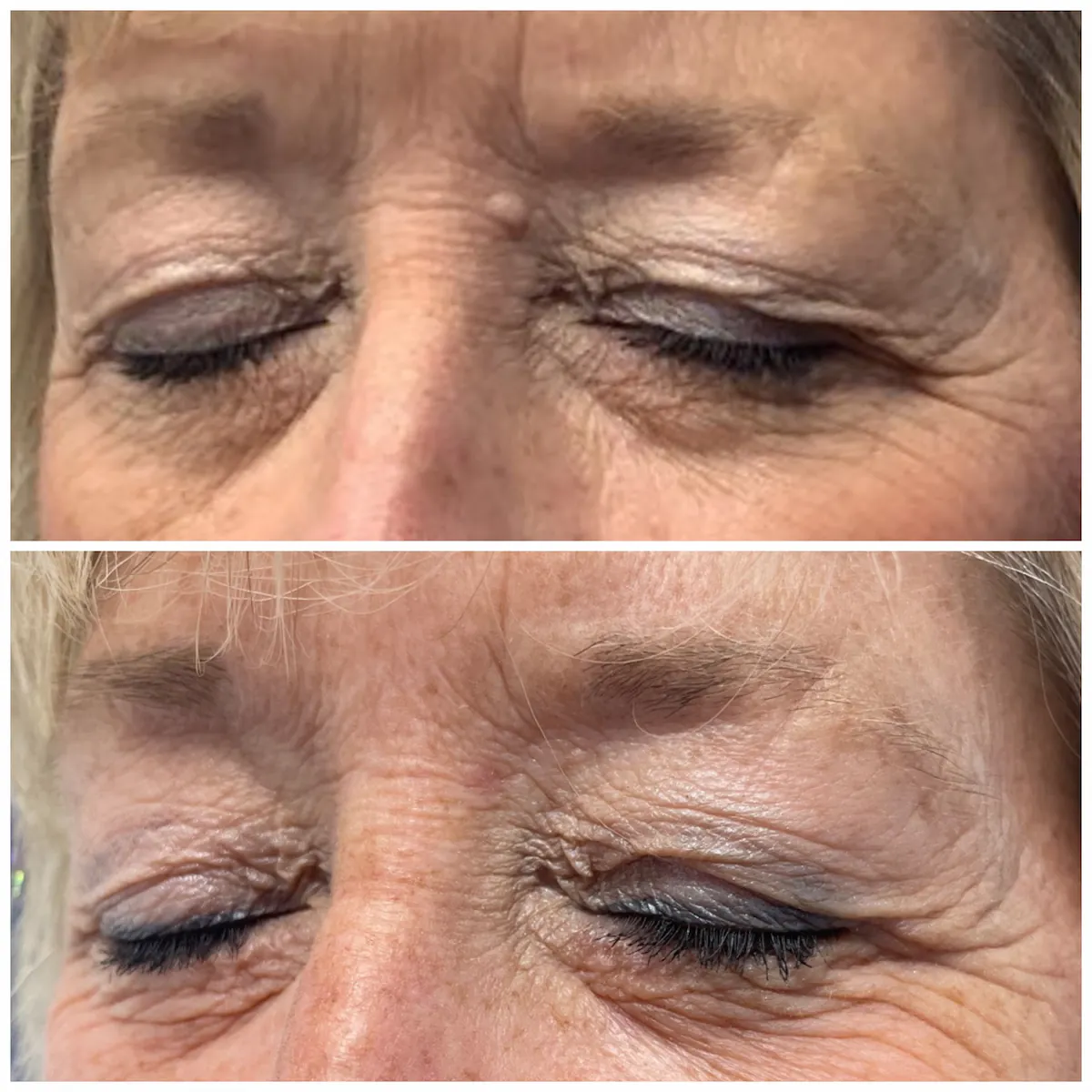
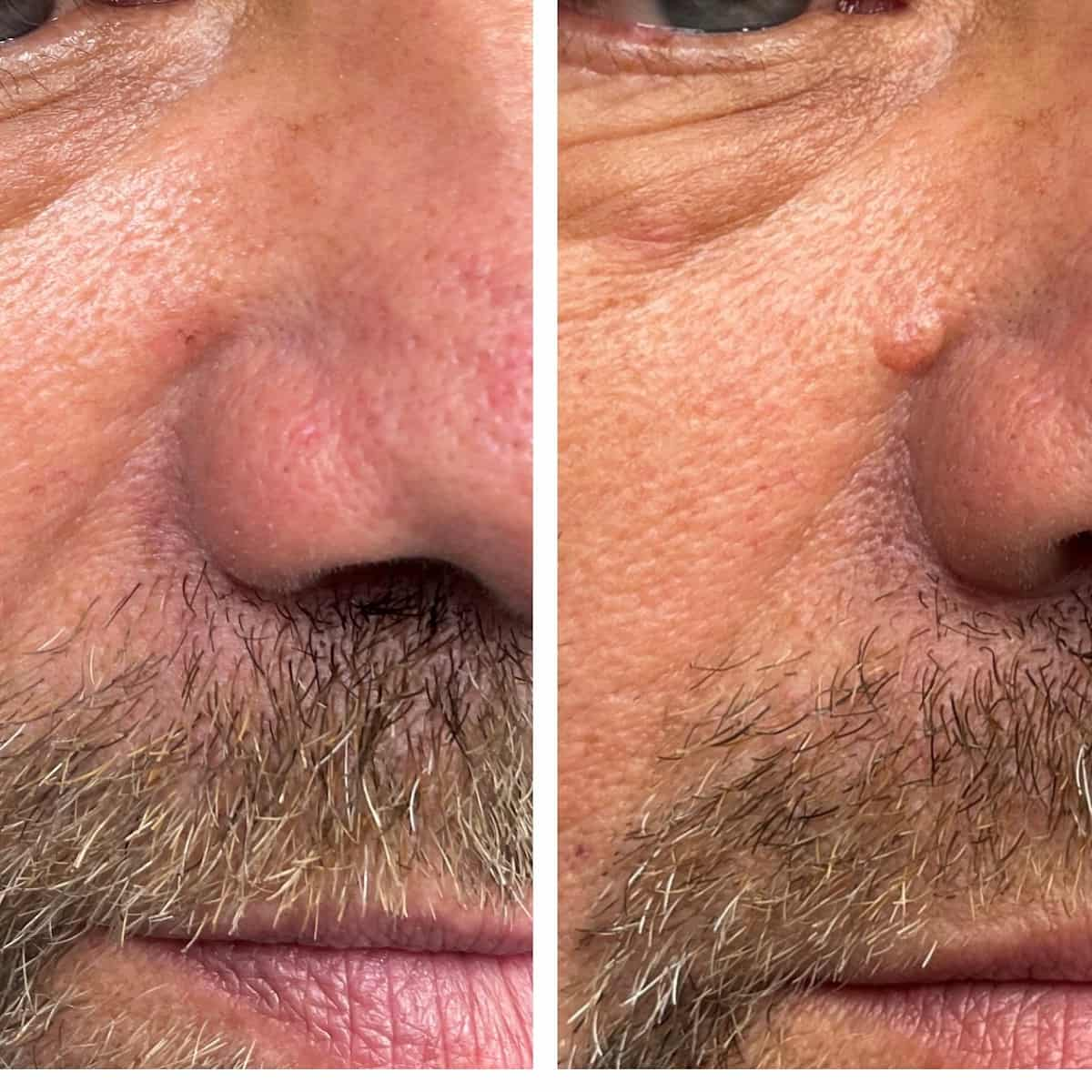
More examples are on our mole removal before and after page.
Your Mole Removal Visit
1
Evaluation
Your provider examines the mole, reviews its history, and confirms it’s appropriate for non-surgical removal. If anything needs a closer look first, you’ll know before anything is removed.
2
Removal
The area is typically numbed for comfort, and the mole is removed with a non-surgical technique matched to its size and location. Most removals take only minutes, with no incisions and no stitches.
3
Healing
You’ll leave with simple aftercare instructions. The treated spot typically heals over the following days to weeks, and in Florida, protecting the healing skin from the sun is the one rule that matters most.
Schedule a Mole Evaluation in Jacksonville
If a mole is bothering you, changing, or simply something you’d rather not see in the mirror, start with an evaluation. We welcome patients from across the Jacksonville area, including Orange Park and Fleming Island, at our office at 6817 Southpoint Pkwy, Suite 101. Send a request through our contact page, or call (904) 420-7372 to speak with our team. You can also review our pricing page.
Common questions
Mole Removal FAQs.
Does non-surgical mole removal hurt?
The area is typically numbed before removal, so most patients feel little beyond the initial pinch of the numbing itself. The removal is quick, there are no incisions or stitches, and the treated spot afterward usually feels like a minor scrape while it heals.
Will mole removal leave a scar?
The goal of non-surgical removal is a smooth, natural-looking result with as little visible trace as possible, which is a big part of why patients choose it for facial moles. Healing varies by individual, mole, and location, and your provider will give you an honest expectation for your specific mole before removing anything.
How do I know my mole isn’t skin cancer?
That’s exactly why evaluation comes first. Your provider examines every mole before removal, and if anything looks concerning, they may recommend a biopsy so a pathologist can examine it under a microscope. Warning signs worth an appointment on their own: a mole that’s changing, itching, bleeding, or looks different from your others. A full-body skin cancer screening is the right move if it’s been a while.
Can every mole be removed without surgery?
Most of the moles patients want removed, irritated, awkwardly placed, or cosmetic, can be handled non-surgically. Some moles, because of their size, depth, or biopsy results, are best removed surgically, and our Jacksonville office does not perform surgical procedures. If that’s the case for your mole, your provider will explain why and help coordinate the right care.
Does insurance cover mole removal?
It depends on the reason. Evaluation of a concerning mole is a medical visit, and removal of an irritated or medically concerning mole may be covered depending on your plan. Purely cosmetic removals are typically paid directly. We review this with you at your visit, and current information is on our pricing page.
Evaluated first. Removed without surgery.
Non-surgical mole evaluation and removal, with the skin exam that should come with it. Physician-owned and independent, in Jacksonville.