
Fall and winter are often a smart time for a chemical peel in Florida. Learn why timing matters and how to plan yours in Jacksonville.
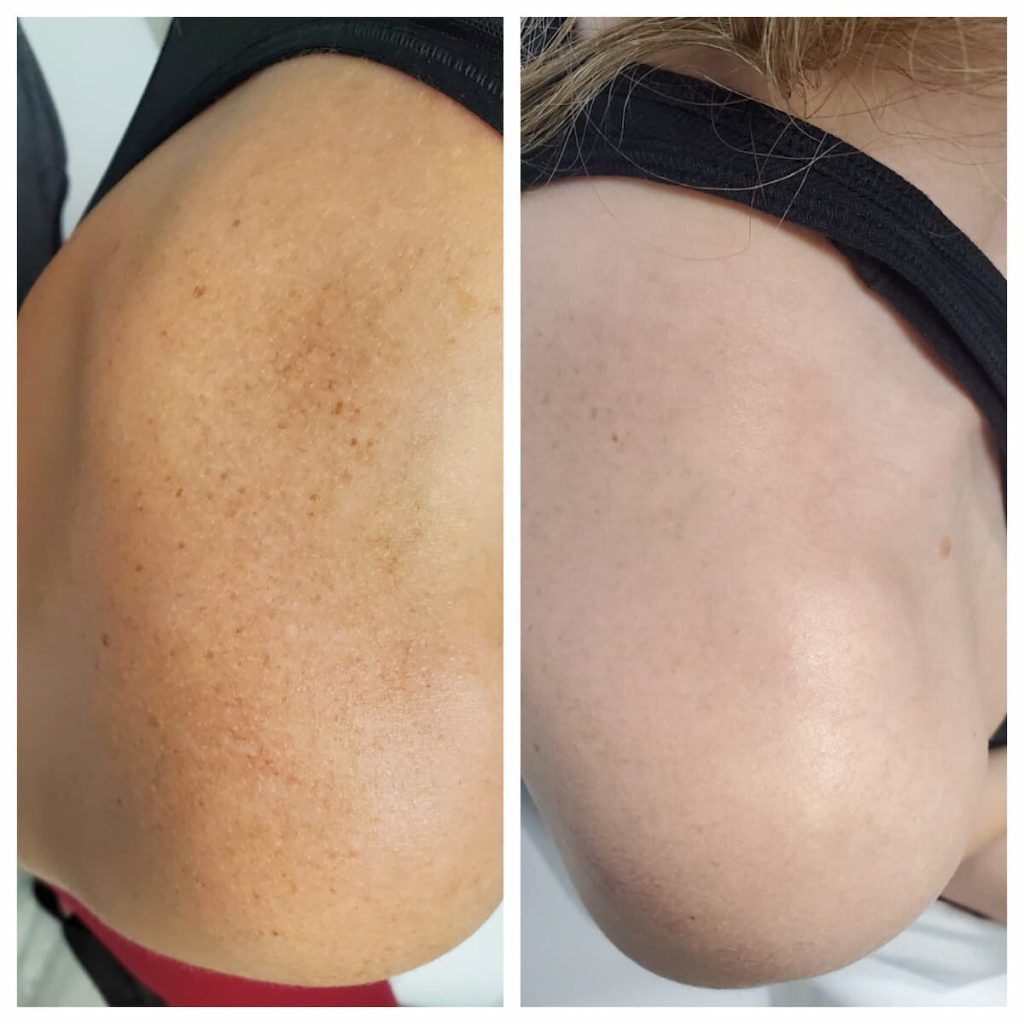
After a long Florida summer, many people notice what the sun left behind: brown spots, uneven tone, rough texture, and dullness. A chemical peel may help with many of these. But in Jacksonville, when you schedule a peel can matter almost as much as which peel you choose.
Why Sun Exposure Matters After a Peel
A chemical peel removes damaged outer layers of skin so healthier skin can take their place. That fresh skin is more sensitive than usual, especially in the first few weeks. During that window, it can burn more easily and is more prone to new discoloration.
Unprotected sun exposure after a peel may lead to post-inflammatory hyperpigmentation, the very kind of dark patches many patients want to fade. That is why sun protection is part of every peel plan, and why the season you choose can make aftercare simpler.
Why Summer Peels Are Harder in Florida
Jacksonville summers combine strong UV, long days, and heavy humidity. For freshly peeled skin, that mix can create a few challenges:
- More intense sun. Daily errands, school pickups, and weekend outings all add up to exposure, even with sunscreen.
- Heat and sweat. Sweating can irritate healing skin and make it harder to keep sunscreen in place.
- Beach and pool time. Saltwater, chlorine, and long hours outdoors at Jacksonville Beach or Ponte Vedra are hard on recovering skin.
Summer peels are not off the table. Lighter peels may still be appropriate with careful protection. But for deeper peels, many patients find the cooler months more practical.
What Fall and Winter Offer
Florida never truly takes a break from the sun, but the cooler months shift the odds in your favor:
- Lower UV levels. Winter sun in Jacksonville is milder, though not absent. Daily sunscreen still matters.
- Less heat and humidity. Cooler, drier days can mean less sweating during the healing phase.
- Shorter days and more time indoors. Recovering out of direct sun is easier when you’re not planning around beach weekends.
- Room for a series. Some concerns may respond better to a series of lighter peels spaced several weeks apart. Starting in fall leaves time to complete a series before spring.
- Time before spring and summer events. Peeling in the cooler months may help skin look refreshed ahead of weddings, vacations, and the return of beach season.
Which Peel Fits Your Skin?
Not every peel is the same. At our office, Dr. Brandon T. Beal, a double board-certified, fellowship-trained dermatologist, selects and performs peels under medical direction. Most fall into two broad tiers:
- Lighter (superficial) peels work on the outermost layers. They may help with dullness, mild uneven tone, clogged pores, and acne-prone skin, with little to mild flaking afterward.
- Medium-depth peels, such as TCA peels, reach deeper. They may help with more noticeable sun damage, brown spots, fine lines, and rough texture. Visible peeling often lasts about a week.
For some patients, a medium-depth peel may also treat actinic keratoses, the rough, precancerous spots common in sun-exposed Florida skin. Any suspicious spot should be evaluated first, often as part of a full-body skin cancer screening.
If you have melasma, timing and peel choice need extra care, because heat and sun can make it flare. Your provider will help you weigh hyperpigmentation options based on your skin.
Planning Your Peel Calendar
A little planning helps you get the most from peel season.
Before Your Peel:
- Your provider may ask you to pause retinoids and other exfoliating products for several days beforehand.
- If you have a history of cold sores, let us know. We may recommend antiviral medication before a medium-depth peel.
- Avoid tanning and sunburn in the weeks leading up to treatment.
Around events: For a medium-depth peel, leave at least two weeks before a wedding, holiday gathering, or photo. Lighter peels typically need less lead time, but ask your provider for guidance.
After Your Peel:
- Cleanse gently and keep skin moisturized.
- Let peeling skin shed naturally. Picking can raise the risk of marks.
- Wear a broad-spectrum sunscreen every day, and add a hat when you’re outdoors.
- Go easy on heavy workouts and sweating for the first few days.
Curious about cost? See our pricing page.
Peels Alongside Fall Laser Season
The same reasons the cooler months are ideal for peels also apply to light and laser treatments. For some patients, a peel is one part of a broader plan. M22 IPL may help with redness and brown spots, and ResurFx fractional laser may help with texture, fine lines, and acne scars. Your provider can help you decide which treatment fits your goals, and how to space treatments safely if more than one makes sense.
Plan Your Peel This Season
If summer left your skin looking dull, spotty, or uneven, fall is a good time to start. Our physician-owned, independent Jacksonville office can help you choose the right peel and schedule it around your plans. Most new patients are seen within the same week. Call (904) 420-7372 or schedule an appointment online. A consultation is required to determine candidacy, and results vary.