
Oily skin and stubborn acne? Learn when to see a dermatologist and what treatment may include at our physician-owned Jacksonville office.
If your face looks shiny by midmorning and breakouts keep coming back no matter what you buy, oily skin and acne may be working together. Many people manage mild oiliness on their own. When acne becomes painful, persistent, or starts leaving marks, a dermatologist can help you find a plan that fits your skin.
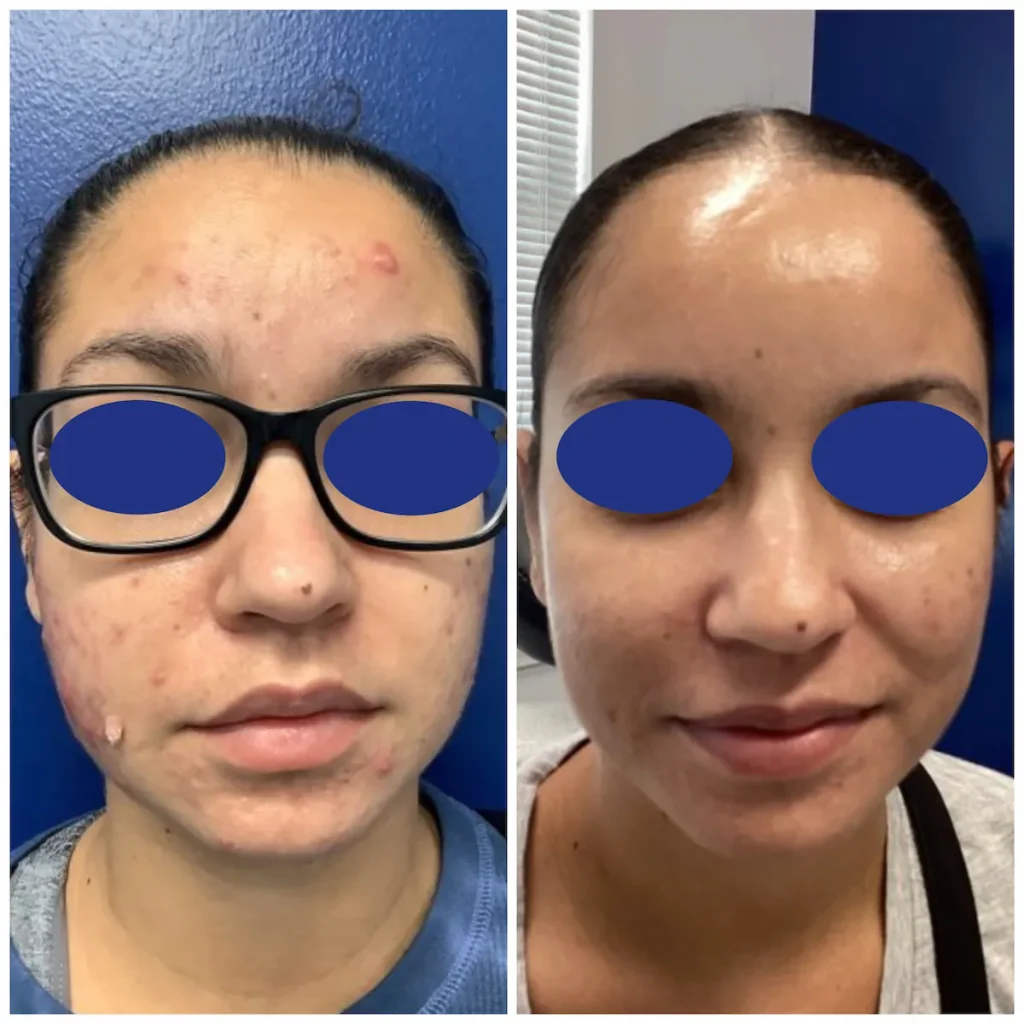
Why Oily Skin and Acne Often Show Up Together
Your skin’s oil glands produce sebum, a natural oil that helps protect the skin barrier. Some people simply produce more, largely because of genetics and hormones. Androgens, hormones present in everyone, can increase oil production. That is one reason acne often flares during puberty, around menstrual cycles, during pregnancy, or with conditions like polycystic ovary syndrome (PCOS).
Excess oil alone is not acne. Acne develops when oil and dead skin cells clog pores. Inside a clogged pore, acne-causing bacteria can multiply and trigger inflammation. The result may be blackheads, whiteheads, red bumps, or deeper, painful nodules and cysts. Oily skin gives those clogs more material to work with.
Why Florida Weather Can Make It Harder
Jacksonville’s heat and humidity can make oily skin feel worse year-round. Sweat mixes with oil on the skin’s surface, and hats, helmets, workout gear, and heavy products can hold that mixture against the skin. Many people notice more breakouts on the forehead, chest, and back in the warmer months. Sunscreen still matters here, every day. The goal is a lightweight, non-comedogenic formula, not skipping protection.
What You Can Try at Home First
For mild oiliness and occasional breakouts, a simple routine is often a reasonable first step:
- Wash twice a day and after sweating with a gentle cleanser. Scrubbing or over-washing can irritate skin and may make shine worse.
- Use a light, oil-free moisturizer. Dehydrated skin can still look oily.
- Try proven over-the-counter ingredients, such as benzoyl peroxide, salicylic acid, or adapalene.
- Choose non-comedogenic products, including sunscreen and makeup.
- Avoid picking or squeezing, which can push inflammation deeper and raise the risk of marks.
Give a new routine about 6 to 8 weeks before judging it. Acne treatments often take that long to show improvement.
Signs It’s Time to See a Dermatologist
Consider booking a visit if any of these sound familiar:
- Over-the-counter products haven’t helped after 2 to 3 months of consistent use.
- Breakouts are deep, painful, or cystic. Nodules and cysts usually need prescription care.
- Acne is leaving dark spots or scars. Earlier treatment may help limit new scarring.
- Acne started or worsened in adulthood, especially along the jawline and chin, which can point to hormonal acne.
- Breakouts have spread to your chest, back, or shoulders.
- Your skin is oily but also red, flaky, or irritated. That may signal a different condition, such as rosacea or seborrheic dermatitis, which is treated differently than acne.
- Acne is affecting your confidence or daily life. That alone is a valid reason to get help.
What a Dermatology Visit May Include
Our experienced medical providers provide care in our office under the medical direction of Dr. Brandon T. Beal, a double board-certified, fellowship-trained dermatologist. Your visit starts with a focused skin exam and a conversation about your history, current products, medications, and goals. From there, your provider builds a plan based on your acne type and severity. Depending on your skin, it may include:
- Prescription topicals, such as retinoids or topical antibiotics, often used in combination
- Oral medications for moderate or widespread acne, such as a short course of oral antibiotics
- Hormonal therapy for some patients, such as spironolactone or certain birth control pills
- Isotretinoin for severe, scarring, or treatment-resistant acne, which requires close monitoring
- Chemical peels as an add-on to help with clogged pores and surface texture
Treatment plans are individualized, and results vary. We may adjust your plan at follow-up visits as your skin responds. Learn more about our acne treatment approach, or read how teen and adult acne often differ.
When Breakouts Leave Marks or Scars
Acne can leave two kinds of reminders: flat red or brown marks, and textured scars. They are treated differently. Discoloration may fade with topicals, chemical peels, or M22 IPL. ResurFx, a non-ablative fractional laser, may improve textured scars. Controlling active acne usually comes first, so new scars don’t form while you treat older ones. See our acne scar treatment page.
Get a Plan for Oily, Acne-Prone Skin
If oily skin and breakouts have outlasted your drugstore routine, our physician-owned, independent Jacksonville office can help. Most new patients are seen within the same week.
Call (904) 420-7372 or schedule an appointment online. A consultation is required to determine the right treatment for you.