
Learn what causes skin tags, why new ones keep appearing, and when to have them checked or removed at our Jacksonville dermatology office.
You notice one small, soft bump on your neck. A few months later, there are three. Skin tags are among the most common skin growths dermatologists see, and they are usually harmless. Still, many people want to know why they form, why new ones keep showing up, and whether anything can slow them down.
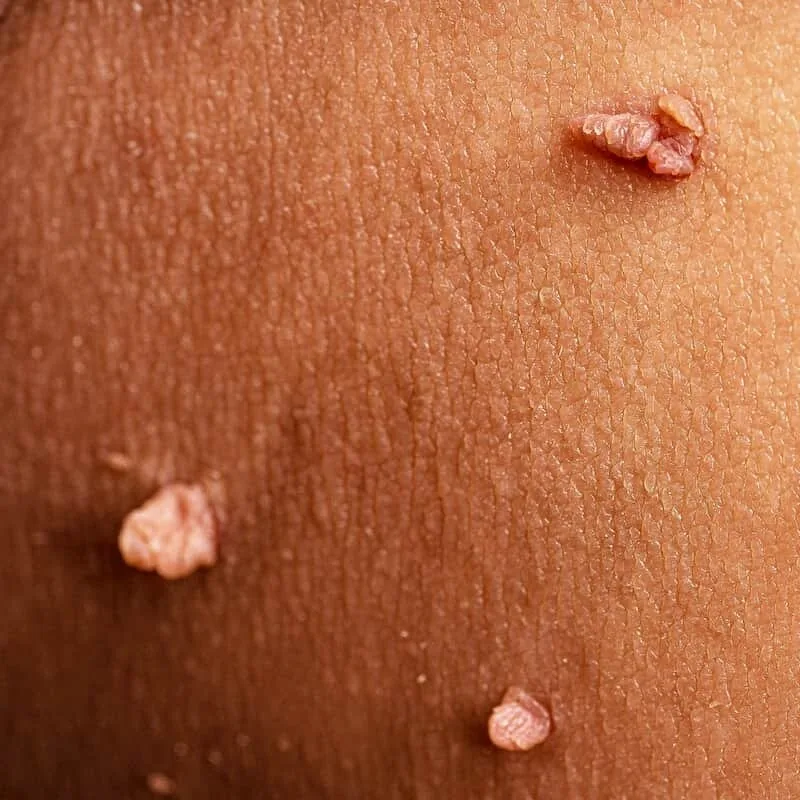
What Is a Skin Tag?
A skin tag, called an acrochordon, is a small, soft growth of normal skin tissue. It often hangs from a thin stalk and may be skin-colored or slightly darker. Most are a few millimeters across, though some grow larger. Skin tags tend to form where skin rubs against skin or clothing:
- The neck and collar line
- Underarms
- Eyelids
- Under the breasts
- The groin and inner thighs
- Skin folds on the torso
They are benign, are not contagious, and are not considered precancerous.
What Causes Skin Tags?
There is no single cause. Instead, several factors appear to make skin tags more likely:
- Friction. Repeated rubbing from skin folds, collars, bra straps, and jewelry is one of the most common contributors. That is why the neck and underarms are such frequent spots.
- Genetics. Skin tags often run in families. If your parents had them, you may be more likely to develop them too.
- Age. They become more common in middle age and later.
- Weight changes. Higher body weight creates more skin folds and more friction, and skin tags are more common in people with obesity.
- Insulin resistance. Research has linked multiple skin tags with insulin resistance, prediabetes, and type 2 diabetes. Elevated insulin may encourage skin cells to grow.
- Hormonal changes. Pregnancy is a common time for new skin tags to appear, likely due to hormone shifts and weight gain.
Heat and humidity may play a supporting role too. In Jacksonville’s climate, sweat in skin folds can add moisture and friction year-round.

Why Do Skin Tags Keep Appearing?
This is one of the most common questions patients ask. A skin tag that is fully removed usually does not grow back in the same spot. But removing a tag does not change the factors that caused it. If friction, genetics, or insulin resistance are still in play, new tags may form nearby or elsewhere over time.
A sudden increase in skin tags can also follow a life change, such as pregnancy, weight gain, or a new diagnosis like prediabetes. If you’re developing many new tags quickly, it may be worth asking your primary care doctor whether blood sugar testing makes sense for you.
Can You Prevent New Skin Tags?
There is no reliable way to prevent skin tags entirely, especially if they run in your family. These steps may help reduce friction and lower the odds of new ones:
- Choose looser collars and soft, breathable fabrics.
- Keep skin folds clean and dry, especially after sweating.
- Avoid necklaces and straps that rub the same spot every day.
- Work with your primary care doctor on weight and blood sugar goals if they apply to you.
Even with good habits, some people will still develop new tags. That’s normal and not a sign you did anything wrong.
When a Growth Should Be Checked
Most skin tags are easy to recognize, but not every soft bump is a skin tag. Moles, warts, and seborrheic keratoses can look similar, and in rare cases, skin cancer can be mistaken for a benign growth. See a dermatologist if a growth:
- Bleeds, crusts, or won’t heal
- Changes color, size, or shape
- Grows quickly
- Is firm, dark, or uneven rather than soft and skin-colored
- Becomes painful, swollen, or irritated
- Looks different from your other tags
In Florida’s year-round sun, it’s smart to have any new or changing spot looked at. A full-body skin cancer screening checks skin tags, moles, and other spots in one visit. For more warning signs, read The ABCDEs of Mole Checks.
Removing Skin Tags Safely
Skin tags don’t need to be removed for health reasons. Many people choose removal because a tag catches on clothing or jewelry, gets irritated, or simply bothers them. At-home kits, bands, and cutting can lead to bleeding, infection, or scarring. They also skip the most important step: confirming the growth is actually a skin tag. Tags near the eyes need extra care and should never be treated at home.
In our office, removal is typically quick and done during a short visit. Depending on the size and location, your provider may use a fast snip, freezing, or gentle cautery. Insurance often doesn’t cover cosmetic removal, but coverage depends on your plan and the reason for removal. Learn more on our skin tag removal page, or view current pricing.
Have Skin Tags Checked and Removed in Jacksonville
If skin tags are bothering you, or you’re not sure what a new growth is, our physician-owned, independent office can help. Dr. Brandon T. Beal, a double board-certified dermatologist, provides care under medical direction, and most new patients are seen within the same week.
Call (904) 420-7372 or schedule an appointment online. A consultation is required to determine the right approach for you, and results vary.