
Teen acne and adult acne often need different treatment approaches. Consider contacting us today.
Acne is often thought of as a teenage problem, but dermatologists know better. Acne affects people well into their 30s, 40s, and beyond, and adult acne frequently behaves differently than the breakouts of adolescence. Understanding those differences matters, because the treatment that works for a 16-year-old is not always the right approach for a 36-year-old.
Struggling with breakouts at any age? Request an appointment through our online form or call our office at (904) 420-7372.
What Teen and Adult Acne Have in Common
At its core, acne forms the same way regardless of age. Pores become clogged with oil and dead skin cells, bacteria multiply within the blocked pore, and inflammation follows. Hormones drive much of this process by stimulating the skin’s oil glands.
Teen and adult acne differ in what triggers the process, where breakouts appear, and how the surrounding skin responds to treatment.
How Teen Acne Typically Behaves
Teenage acne is driven largely by the hormonal surge of puberty, which sharply increases oil production across the face, chest, shoulders, and back. Common characteristics of teen acne include:
- Location: breakouts often concentrate in the T-zone (forehead, nose, and chin) and frequently extend to the chest and back
- Type: a mix of blackheads, whiteheads, and inflamed pimples, sometimes widespread
- Skin type: oily, resilient skin that generally tolerates stronger topical treatments
- Course: often improves as hormones stabilize in the late teens or early twenties, though it should still be treated to reduce the risk of scarring
That last point deserves emphasis. “They’ll grow out of it” is common advice, but untreated moderate to severe acne during the teen years is a leading cause of the acne scarring we treat in adults. Early, effective treatment is one of the best investments a teenager can make in long-term skin health.
How Adult Acne Typically Behaves
Adult acne, which is more common in women, tends to look and act differently:
- Location: breakouts often settle along the lower face, jawline, chin, and neck
- Type: deeper, tender, inflamed bumps rather than widespread blackheads and whiteheads, often fewer in number but slower to heal
- Triggers: hormonal fluctuations (menstrual cycles, pregnancy, perimenopause), stress, and certain medications or products can all play a role
- Skin type: adult skin is often drier, more sensitive, and slower to recover, and it may already show early signs of aging
Adult acne also carries a complication teens rarely face: the marks left behind. Adult skin is more prone to lingering post-inflammatory discoloration, and each deep breakout takes longer to fade.
Why Treatment Approaches Often Differ
Because the underlying triggers and skin characteristics differ, so do the treatment strategies.
- For teens, treatment often focuses on controlling oil and clearing clogged pores across larger areas of skin. Prescription topical retinoids, benzoyl peroxide, and topical or oral antibiotics are common tools, and resilient teenage skin can usually tolerate an assertive approach. For severe or cystic acne, stronger systemic options may be discussed.
- For adults, the plan usually needs more nuance. Aggressive drying treatments that a teenager shrugs off can leave adult skin irritated, flaky, and worse-looking than the acne itself. Hormonally driven acne in women may respond well to medications that address the hormonal component directly. Product routines often need adjusting, since some anti-aging products can clog pores while some acne products can accelerate dryness and fine lines. The goal is clearing breakouts while respecting more sensitive, mature skin.
There is no one-size-fits-all acne regimen. What works is an accurate assessment of your acne type, your triggers, and your skin, followed by a plan built around all three. That is precisely what a medical dermatology visit provides.
What About the Scars Acne Leaves Behind?
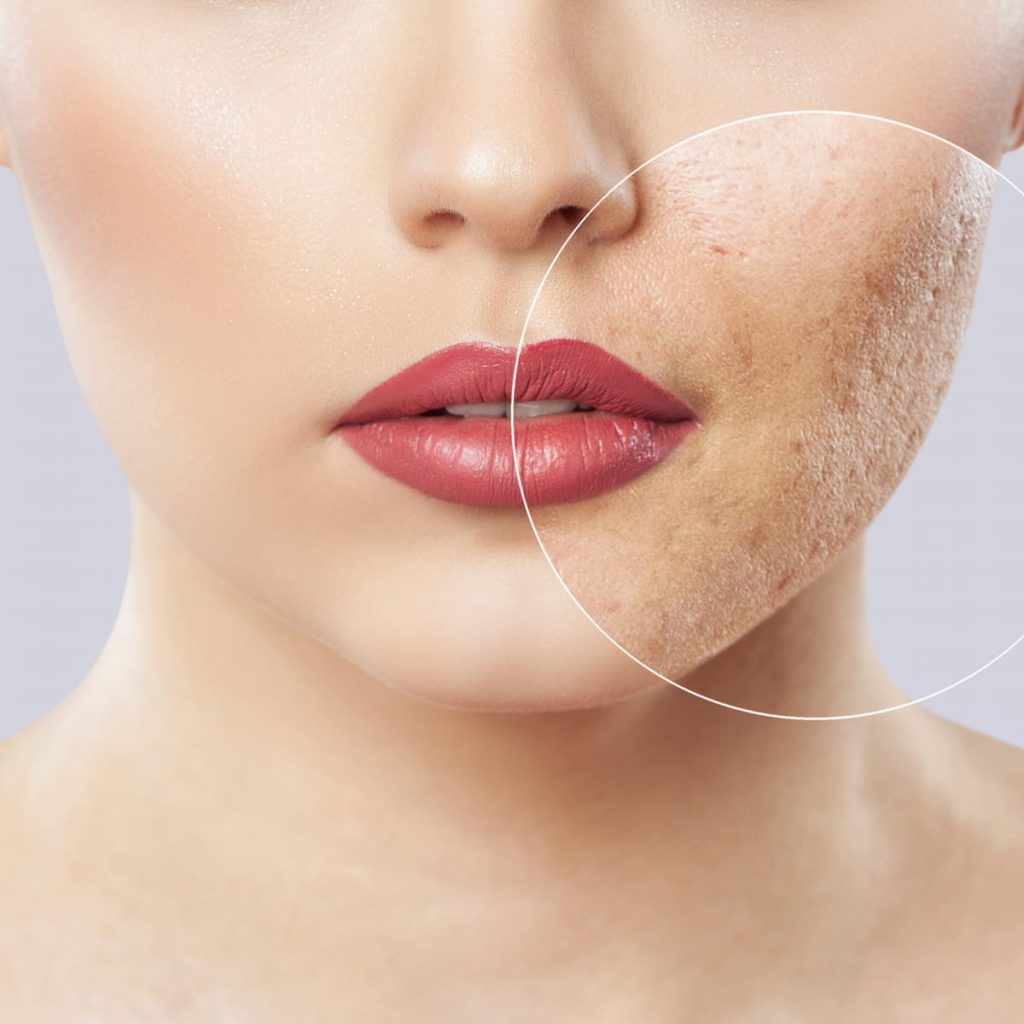
For adults still carrying scars from teenage breakouts, or developing new marks from adult acne, non-surgical treatment options are available at our Jacksonville office. ResurFx non-ablative laser resurfacing can help improve depressed scars and uneven texture, while M22 IPL can help fade lingering redness and dark spots. Getting active acne under control first is the essential foundation, since treating scars while new breakouts continue undermines the results.
Acne Treatment for Every Age in Jacksonville
Whether you are a parent watching your teenager lose confidence to breakouts, or an adult frustrated that acne followed you out of adolescence, effective treatment is available. Call (904) 420-7372 to schedule your visit at Jacksonville Dermatology & Cosmetic Surgery.