
Wondering why your skin is so oily? Learn what causes excess oil production, how Jacksonville’s climate plays a role, and when it’s time to see a dermatologist.
If you’ve ever blotted your face by noon or noticed a shine that won’t quit regardless of your skincare routine, you’re not alone. Oily skin is one of the most common concerns we hear from patients — and it’s more than just a cosmetic frustration. Understanding why your skin produces excess oil is the first step toward managing it effectively.
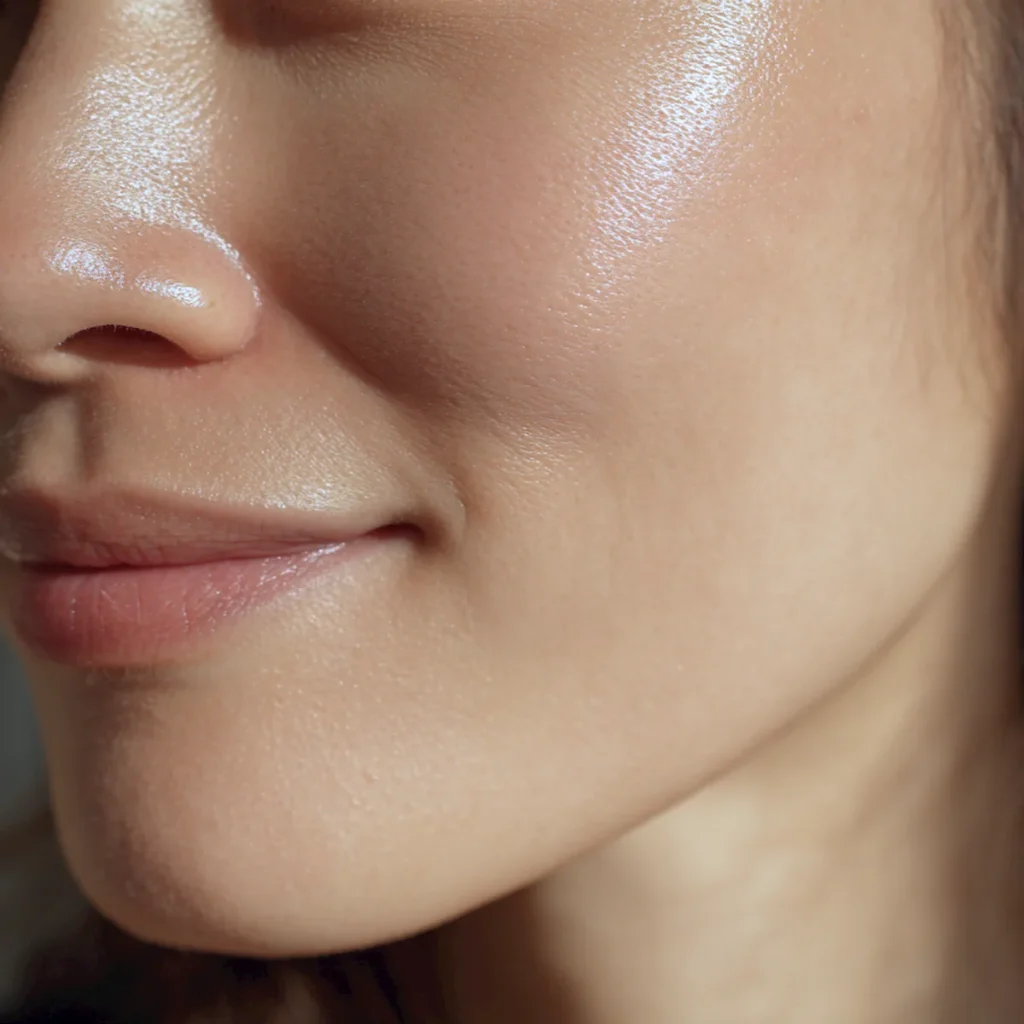
What Causes Oily Skin?
Oil production starts with your sebaceous glands, which sit beneath the surface of your skin and secrete sebum — a natural oil that helps keep your skin hydrated and protected. When those glands become overactive, excess sebum leads to shine, clogged pores, and often, breakouts.
Several factors can drive this:
- Genetics — If oily skin runs in your family, your glands may simply be more active by nature.
- Hormones — Androgens stimulate sebum production, which is why oily skin often spikes during puberty, menstruation, or times of hormonal change.
- Climate and humidity — Jacksonville’s warm, humid climate can amplify oil production year-round, even in patients who wouldn’t otherwise describe their skin as oily.
- Over-cleansing or stripping products — Harsh cleansers can strip the skin’s natural moisture barrier, signaling your glands to compensate by producing more oil.
- Stress — Cortisol, the stress hormone, can increase sebum output over time.
The Oily Skin and Moisturizer Myth
One of the most common mistakes people with oily skin make is skipping moisturizer. The logic seems reasonable — if skin is already oily, why add more hydration? But oily and dehydrated are not the same thing. Your skin can lack water while still overproducing oil. When the skin is dehydrated, it often compensates by further increasing sebum production. Using a lightweight, non-comedogenic moisturizer can actually help calm oil production over time by keeping your skin barrier balanced and functioning properly.
Does Your Diet Play a Role?
Research suggests a meaningful connection between diet and sebum production. High-glycemic diets — those heavy in simple sugars — can elevate insulin and IGF-1 levels, which in turn may stimulate sebaceous gland activity and increase oil production. (PubMed Central) Dairy consumption and diets high in saturated fats have also been associated with increased sebum output, potentially through similar hormonal pathways involving insulin and IGF-1. (Rspublisher) On the other side of the equation, some research indicates that replacing high-glycemic foods with low-glycemic alternatives may actually decrease the size of sebaceous glands — resulting in less oil production over time. (Coveteur) That said, the relationship isn’t the same for everyone, and diet is just one piece of a larger picture. It’s worth discussing with your dermatology provider, especially if topical treatments alone haven’t delivered lasting results.
Does Oily Skin Mean You’ll Always Break Out?
Not necessarily, but excess oil can create conditions that make acne more likely to develop. When sebum mixes with dead skin cells and bacteria, pores can become clogged and inflamed. Managing oil production is often a meaningful part of an overall acne treatment plan.
When Should You See a Dermatologist?
If over-the-counter products haven’t made a lasting difference, or if oily skin is contributing to persistent breakouts, it may be time for a professional evaluation. A dermatology provider can assess your skin type, identify contributing factors, and recommend a treatment approach tailored to your specific needs — not a one-size-fits-all fix.
Contact Jacksonville Dermatology & Cosmetic Surgery Today
Our team at Jacksonville Dermatology & Cosmetic Surgery sees patients throughout Jacksonville, Southside, and the surrounding areas. We’re here to help you understand your skin and find what actually works.
Schedule an appointment by calling (904) 420-7372 or filling out our online contact form.
GET IN TOUCH