
Adult acne has different causes than teenage breakouts and needs a different approach. Learn why it happens and what a Jacksonville dermatologist can do.
Acne is supposed to be a teenager’s problem. That’s what most people grow up believing — and then they find themselves in their 30s, 40s, or beyond, dealing with breakouts they thought were long behind them. Adult acne is more common than most people realize, and it can be just as persistent, frustrating, and confidence-affecting as it was in adolescence. The good news is that it’s also very treatable when approached correctly.
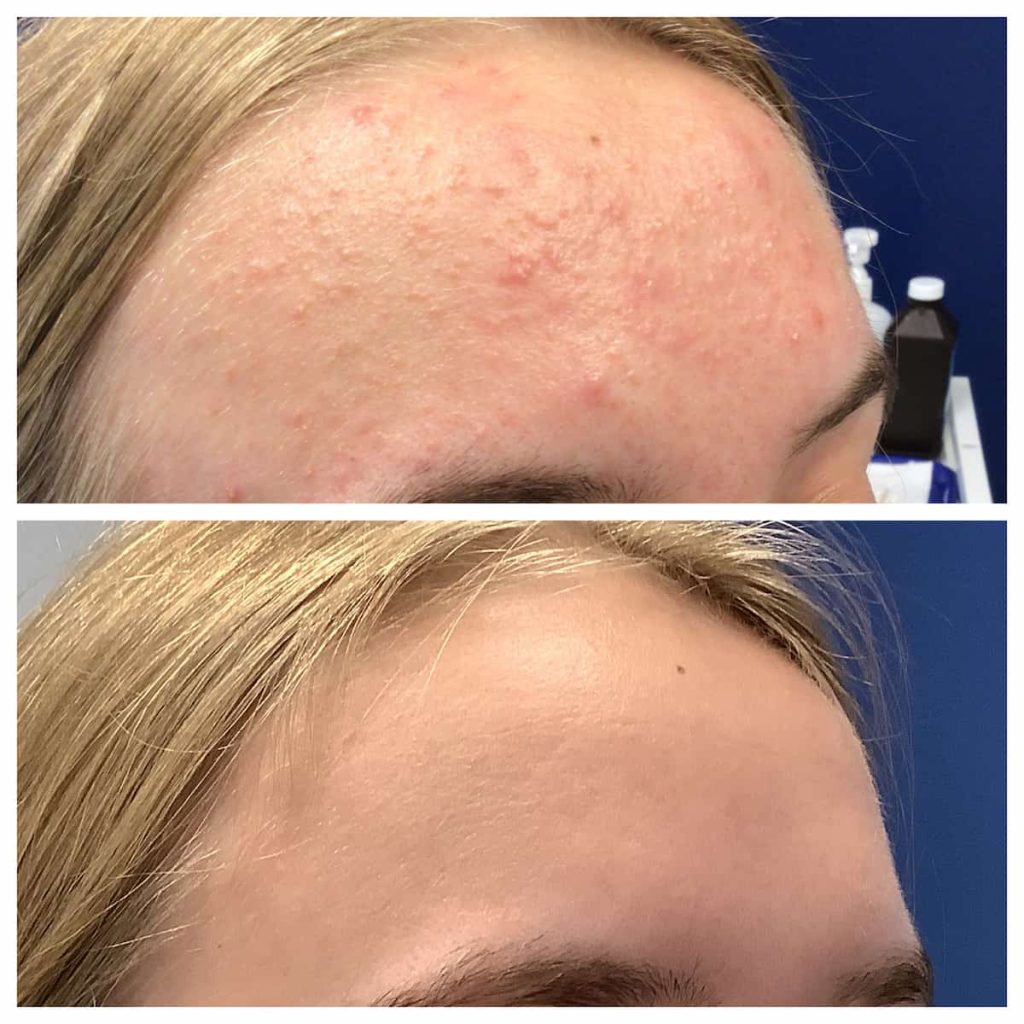
Adult Acne Is Not The Same As Teenage Acne
Teenage acne is largely driven by puberty — a surge in hormones that increases oil production, clogs pores, and creates the conditions for breakouts. Adult acne, while it can share some surface features, often has different underlying causes and tends to respond differently to treatment.
Adult breakouts commonly appear along the jawline, chin, and neck rather than across the forehead and nose. They tend to be deeper, more cystic, and slower to heal. And unlike teenage acne, they’re more likely to leave lasting marks or hyperpigmentation — particularly in patients with deeper skin tones.
Common Causes Of Adult Acne
Understanding what’s driving your acne is the first step toward treating it effectively. Several factors commonly contribute:
- Hormonal fluctuations are among the most frequent culprits in adult women. Breakouts tied to the menstrual cycle, pregnancy, perimenopause, or conditions like polycystic ovary syndrome (PCOS) typically reflect shifts in androgen levels that increase oil production. This type of acne often follows a predictable pattern and responds well to hormone-aware treatment approaches.
- Chronic stress elevates cortisol, which in turn triggers increased sebum production and inflammation — both of which contribute to breakouts. For many adults, stress-related acne is cyclical and tied to work, life changes, or periods of poor sleep.
- Skincare and hair care products are a surprisingly common trigger. Certain ingredients — particularly heavy oils, silicones, and some emollients — can clog pores even in products marketed for acne-prone skin. Comedogenic ingredients in hair products that come into contact with the forehead and hairline are another frequently overlooked cause.
- Diet plays a role for some patients, though the relationship is more nuanced than the old “chocolate causes acne” myth. High-glycemic foods and dairy products have been associated with acne in some studies, and a dermatologist can help you assess whether dietary factors may be worth exploring in your case.
- Stopping or starting medications — including certain birth control formulations — can trigger or worsen acne in adults, sometimes with a delay of several months.
Why Over-The-Counter Products Often Fall Short
Most OTC acne products are formulated for the most common presentations of teenage acne. They work by targeting surface oil, exfoliating dead skin cells, or killing acne-causing bacteria. For mild or occasional adult breakouts, they can be effective. But for persistent, hormonal, or cystic adult acne, they often address the symptom without touching the cause, which is why so many adults cycle through product after product without lasting results.
There’s also the risk of over-treating. Stacking multiple active ingredients — acids, retinols, and benzoyl peroxides — can compromise the skin barrier, leading to sensitivity, redness, and, paradoxically, more breakouts. A dermatologist can assess what your skin actually needs rather than what the packaging suggests.
What A Dermatologist Can Do Differently
A dermatological evaluation starts with understanding your specific acne — its type, its pattern, its triggers, and your skin’s history. From there, treatment options may include prescription-strength topicals, oral medications, or a combination approach tailored to the underlying causes of your breakouts.
For patients with hormonal acne, targeted options exist that address the hormonal component directly rather than managing surface symptoms. For cystic acne, treatments that work at a deeper level can reduce the severity and frequency of breakouts while minimizing scarring. And for patients dealing with post-acne marks or hyperpigmentation, a dermatologist can build a plan that addresses both active breakouts and the skin tone concerns they leave behind. The goal isn’t just clearer skin in the short term — it’s a sustainable approach that keeps working.
You Don’t Have To Just Live With It
Our dermatology team at Jacksonville Dermatology & Cosmetic Surgery works with adult acne patients throughout Jacksonville, Ponte Vedra, and the surrounding areas — and we approach each case individually, because no two patients’ skin is the same.
Call us at (904) 420-7372 or fill out our online contact form to schedule an appointment. Treatment plans are individualized, and results vary depending on the type and severity of acne.
GET IN TOUCH