
Dermal Fillers · Jacksonville, FL
How Long Do Dermal Fillers Last and What Affects the Results?
One of the most common questions patients ask before booking a filler appointment is a simple one: how long will this last? It’s a fair question — and the honest answer is that it depends on more factors than most people expect.
Dermal fillers are not permanent, and results don’t look the same at month three as they do at month twelve. Understanding what drives longevity helps set realistic expectations before treatment and makes it easier to plan for maintenance down the road.
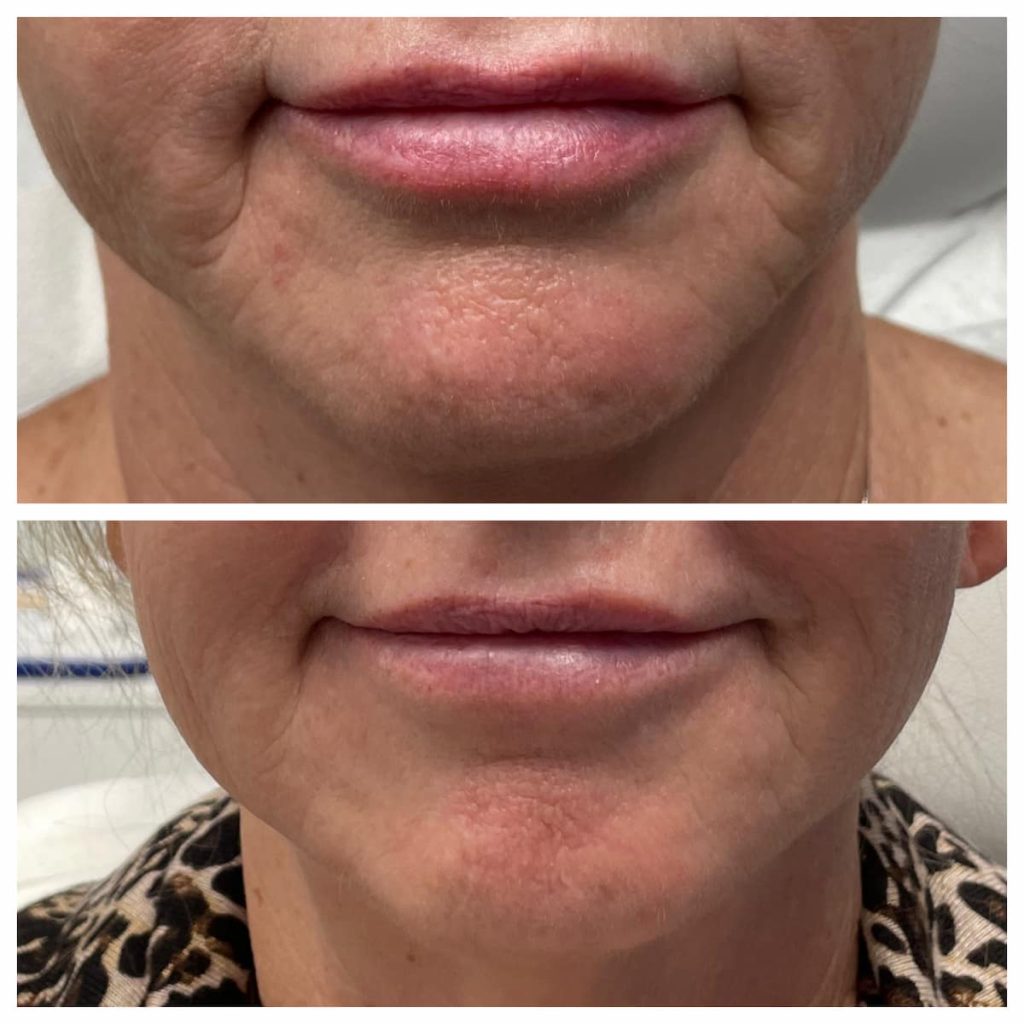
The General Timeline: 6 to 18 Months
Most hyaluronic acid fillers — the most commonly used filler type — last somewhere between six and eighteen months, depending on the product and where it’s placed. Some formulations used in areas with less movement can last for up to 2 years in certain patients. Others, particularly those used in higher-movement areas, may metabolize more quickly.
These are ranges, not guarantees. Individual variation is significant, and your results may fall anywhere within — or occasionally outside — these windows.
What Affects How Long Fillers Last
Five factors do most of the work in determining your individual timeline.
Treatment Area
Where filler is placed significantly affects how long it persists. Areas of the face that move frequently — around the mouth and lips, for example — tend to break down filler faster than areas with less repetitive movement, such as the cheeks or under-eye region. The mechanical activity of muscles in high-movement zones accelerates the body’s absorption of the product.
The Filler Formulation
Not all fillers are the same. Different hyaluronic acid products are formulated with varying densities and cross-linking structures, which affect how they behave in tissue and how long they hold up. Thicker, more cohesive formulations used for structural support in areas like the cheeks or jawline tend to last longer than softer formulations used for surface-level refinement or lip enhancement. Your provider selects the appropriate formulation based on the treatment area and the desired outcome — not just personal preference.
Your Metabolism
The body naturally breaks down hyaluronic acid over time. Patients with a faster metabolism tend to process filler more quickly than those with a slower one. This is one of the more unpredictable variables, and it’s one reason two patients treated the same way on the same day can have meaningfully different timelines.
Lifestyle Factors
Sun exposure, smoking, high-intensity exercise, and overall skin health can all influence how long filler results last. UV damage accelerates the breakdown of collagen and skin structure, which affects how well the surrounding tissue supports the filler. Patients who protect their skin consistently and maintain good overall skin health tend to see more durable results.
Volume Placed and Treatment History
First-time filler patients sometimes metabolize the product faster than those who have maintained consistent treatment over time. With repeated treatments, hyaluronic acid fillers may have a mild cumulative effect on surrounding tissue, which can contribute to results that appear to last longer.
What “Wearing Off” Actually Looks Like
Fillers don’t disappear all at once. As the product gradually breaks down, results soften slowly over time rather than reversing abruptly. Most patients find that scheduling a touch-up before results have fully faded — rather than waiting until they’re completely gone — produces the most consistent outcome. Your provider can help you identify the right timing for maintenance based on how your specific results are progressing.
Setting Realistic Expectations
A consultation before treatment is the time to clearly establish expectations. Your provider will discuss which areas you want to address, which formulations are appropriate, what a realistic outcome looks like, and roughly how long results may last for your individual situation. Fillers are a maintenance commitment, not a one-time fix. Patients who approach them that way tend to be the most satisfied with their results over time.
Results vary. Treatment plans are individualized. A consultation is required to determine candidacy.
Request a Consultation in Jacksonville
If you’re considering dermal fillers and want straightforward answers about what to expect, our team is here to help. Call (904) 420-7372 or contact us today by filling out our online contact form.
This content is for educational purposes only and is not a substitute for professional medical advice, diagnosis, or treatment.
Frequently Asked Questions
Yes. Hyaluronic acid fillers are naturally broken down by the body over time. The rate varies by individual and by the product used, but all hyaluronic acid fillers will eventually metabolize without any intervention. If a result needs to be adjusted sooner, hyaluronic acid fillers can also be dissolved with an enzyme called hyaluronidase.
To some extent, yes. Consistent sun protection, avoiding smoking, staying well hydrated, and maintaining good overall skin health may support longer-lasting results. Scheduling touch-up appointments before results have fully faded — rather than starting over from scratch — can also help maintain a more consistent appearance over time.
If you stop treatment, the filler will continue to metabolize naturally, and results will gradually fade. Your face will return to its baseline appearance over time. There is no evidence that stopping filler treatment causes your skin to look worse than it did before you started.
GET IN TOUCH