
Preparing for a dermatology visit in Jacksonville? Learn what to bring, how to document symptoms, and how to get the most out of your appointment.
Seeing a dermatologist can feel a little intimidating—especially if you’re not sure what to expect, you’ve had a skin issue for a while, or you’re worried you’ll forget to mention something important.
The good news: a little preparation can make your visit smoother, faster, and more productive—whether you’re coming in for acne, a persistent rash, a changing mole, hair/scalp concerns, or cosmetic treatments like Botox.

1) Identify Your Primary Concern
Before your appointment, decide what your main goal is for the visit. Many patients have multiple concerns, but prioritizing your top 1–2 issues helps keep the appointment focused and ensures the most important items are addressed first.
Common reasons for dermatology visits include:
- Acne
- Rash, eczema, or dermatitis
- Psoriasis
- Skin exams (full-body or a specific spot check)
- Mole evaluation or removal (when appropriate)
- Cyst or skin tag evaluation/removal
- Cosmetic concerns, such as Botox and injectables
If you have several concerns, bring a brief list and note which one is most urgent or bothersome.
2) Prepare a Brief Timeline of Symptoms
A clear timeline can significantly improve diagnostic accuracy. Write down:
- When the issue started (or when you first noticed it)
- Whether it is constant or comes and goes
- Any changes in size, shape, color, texture, or symptoms
- Symptoms you experience (itching, burning, pain, bleeding, scaling, drainage)
- Potential triggers (heat, sweating, stress, shaving, new products, detergent, travel, seasonal change)
For changing spots or moles, note any recent changes and whether the area bleeds, crusts, or does not heal.
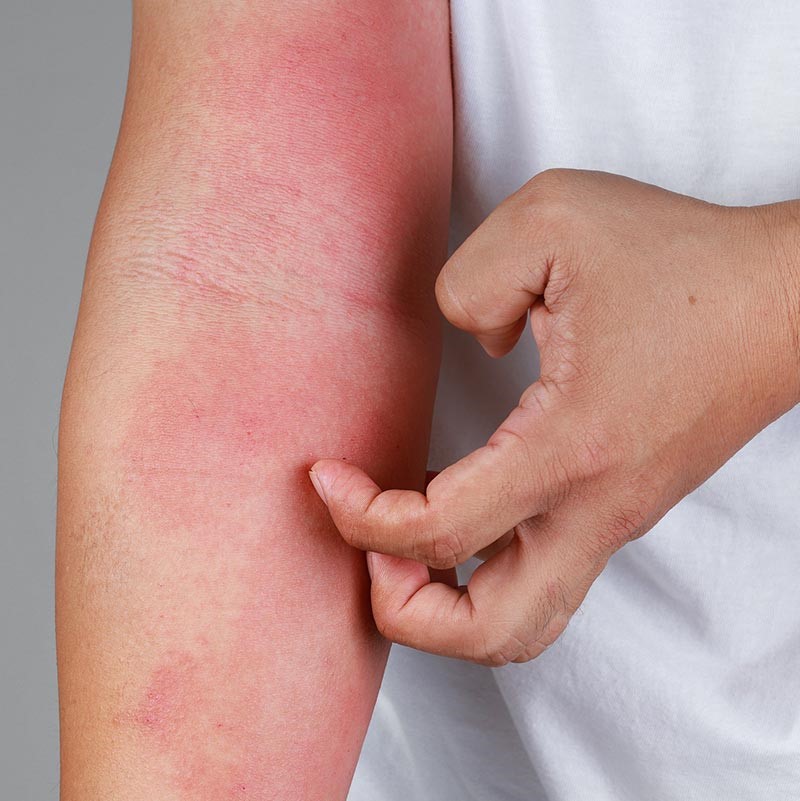
3) Bring Photos if the Issue Changes or Flares
Many skin conditions vary over time. If your concern flares intermittently or looked different in the past, bring clear photos taken in good lighting.
Helpful photo tips:
- Include a close-up and a wider photo to show the location
- Use consistent lighting when possible
- Consider including an object for scale (coin or ruler)
Photos are especially helpful for rashes, hives, intermittent swelling, and evolving lesions.
4) List Products and Treatments You Have Tried
Bring a list of all treatments and products used on the affected area, including:
- Prescription creams/ointments (even if they were prescribed previously)
- Over-the-counter treatments (hydrocortisone, antifungal creams, acne washes)
- Skincare products (cleansers, moisturizers, sunscreen)
- Cosmetics or hair products used in the area
- Home remedies and supplements
If you are unsure of product names, taking photos of the labels or bringing the products can help.
5) Bring an Updated Medication List and Allergy Information
Medications and supplements can influence skin conditions and treatment options. Bring:
- Current prescription medications
- Over-the-counter medications
- Vitamins and supplements
- Medication allergies and known reactions
Also note relevant history such as pregnancy status or plans (when applicable), immune-related conditions, and personal or family history of skin cancer, if relevant.
6) Wear Practical Clothing
Choose comfortable clothing that allows easy access to the area being evaluated. If you are scheduled for a full skin exam, wear something easy to remove and put back on.
Schedule a Dermatology Appointment in Jacksonville
If you would like to schedule an evaluation or consultation, contact us by
calling (904) 430-7372 or filling out our online contact form.
GET IN TOUCH