
Florida heat and humidity can worsen eczema. Learn common triggers, treatment options, and prevention tips from a Jacksonville dermatologist.
Living in Florida has its perks—sunshine, warm weather, and outdoor living—but for people with eczema, the climate can also bring unique challenges. Many patients in Jacksonville and surrounding areas notice that their eczema flares more often, lasts longer, or behaves differently than expected.
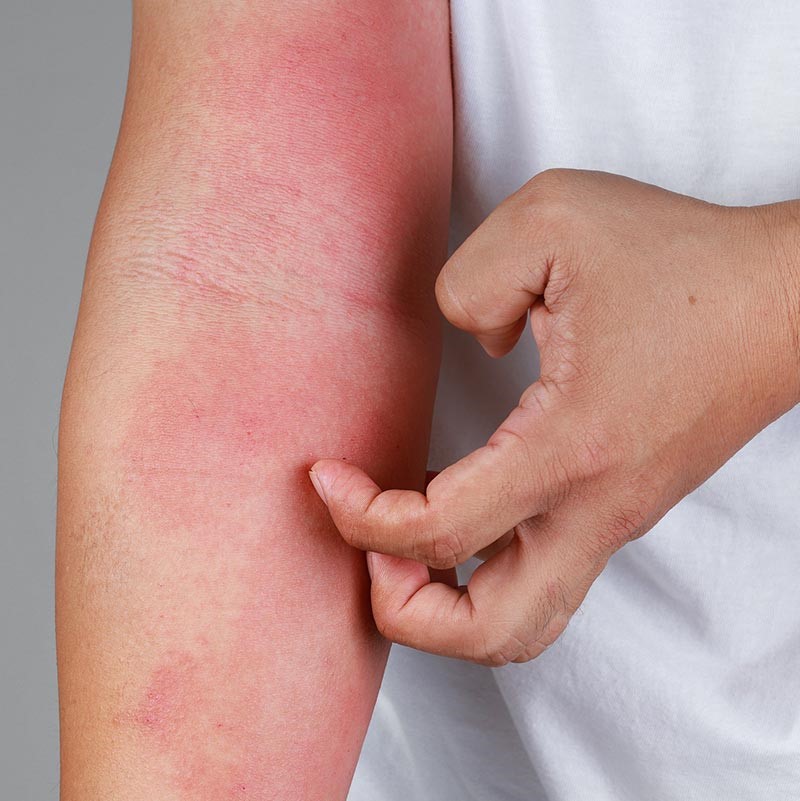
What Is Eczema?
Eczema, also known as atopic dermatitis, is a chronic inflammatory skin condition that causes:
- Dry, itchy skin
- Redness or rash-like patches
- Scaling or rough texture
- Sometimes, cracking, oozing, or thickened skin
Eczema is not contagious, and while it often begins in childhood, many adults experience ongoing or adult-onset eczema. It tends to follow a flare-and-remission pattern, meaning symptoms can worsen periodically and then improve with proper care.
Why Eczema Can Be Worse in Florida
Florida’s environment plays a major role in eczema flare-ups. In Jacksonville, dermatologists commonly observe eczema exacerbated by heat, humidity, allergens, and lifestyle factors.
1. Heat and Sweat
Sweating is a common eczema trigger. Heat causes:
- Increased perspiration
- Skin irritation from salt in sweat
- More itching, which can worsen inflammation
2. High Humidity
While moisture appears beneficial for dry skin, excessive humidity can disrupt the skin barrier, particularly when combined with sweat. This can lead to:
- Increased itching
- More frequent flares
- Skin irritation from friction and moisture buildup
3. Sun Exposure
Moderate sun exposure may help some individuals, but too much sun can:
- Dry the skin
- Cause irritation
- Trigger flares in sensitive areas
4. Frequent Showering or Pool Exposure
In Florida, many people shower more often or spend time in pools. Chlorine and frequent washing can strip the skin of natural oils, making eczema more difficult to control.
Common Eczema Triggers to Watch For
While triggers vary by individual, common eczema triggers seen in dermatology practices include:
- Heat and sweat
- Fragrance-containing products
- Harsh soaps or cleansers
- Laundry detergents and fabric softeners
- Stress
- Certain fabrics, such as wool or rough synthetics
- Environmental allergens

How Dermatologists Treat Eczema Flare-Ups
There is no one-size-fits-all treatment for eczema. Management depends on severity, location, age, and individual triggers. A dermatologist may recommend a combination of approaches, including:
Prescription Topical Treatments
Medical-grade topical therapies can help reduce inflammation and itching during flares. These may be used:
- Short-term during active flares
- Intermittently for maintenance, depending on the case
Barrier Repair and Moisturization
Restoring the skin barrier is essential for eczema control. Dermatology-guided recommendations often include:
- Thick, fragrance-free moisturizers
- Regular application, especially after bathing
- Avoidance of irritating ingredients
Identifying and Reducing Triggers
Medical care often includes education on:
- Recognizing early signs of a flare
- Avoiding known irritants
- Adjusting skincare and lifestyle habits
Prevention Tips for Managing Eczema in Florida
While eczema can’t always be prevented, many patients can reduce flares by following consistent, dermatologist-recommended strategies.
Shower Smart
- Use lukewarm—not hot—water
- Limit shower time
- Use gentle, fragrance-free cleansers
- Apply moisturizer immediately after bathing
Dress for Your Skin
- Choose lightweight, breathable fabrics like cotton
- Avoid tight clothing that traps heat and sweat
- Change out of sweaty clothes promptly
Manage Sweat and Heat
- Take breaks from the outdoor heat
- Use fans or air conditioning when possible
- Rinse off sweat gently after heavy perspiration
Be Product-Conscious
- Avoid fragranced lotions, soaps, and detergents
- Use products labeled for sensitive skin when appropriate
- Introduce new products one at a time
Protect Your Skin Barrier
- Moisturize daily—even when skin looks clear
- Pay extra attention during seasonal changes
- Follow your dermatologist’s maintenance plan
When Should You See a Dermatologist for Eczema?
You should consider scheduling an appointment if:
- Over-the-counter treatments are no longer helping
- Flare-ups are frequent or severe
- Itching interferes with sleep or daily life
- Skin becomes painful, cracked, or infected
- You’re unsure whether a rash is eczema or another condition

Eczema Care in Jacksonville, Florida
At Jacksonville Dermatology & Cosmetic Surgery, our dermatology team provides personalized, medically directed care for eczema and other inflammatory skin conditions. We understand how Florida’s climate impacts the skin and work with patients to develop practical, individualized treatment plans.
We care for patients throughout Jacksonville and nearby communities, with a focus on safety, education, and realistic expectations. Contact us today either by calling (904) 420-7372 or by using our online contact form.
GET IN TOUCH