
Frequently asked questions about dermal fillers: what they do, how long they last, side effects, safety, and what to expect before and after treatment.
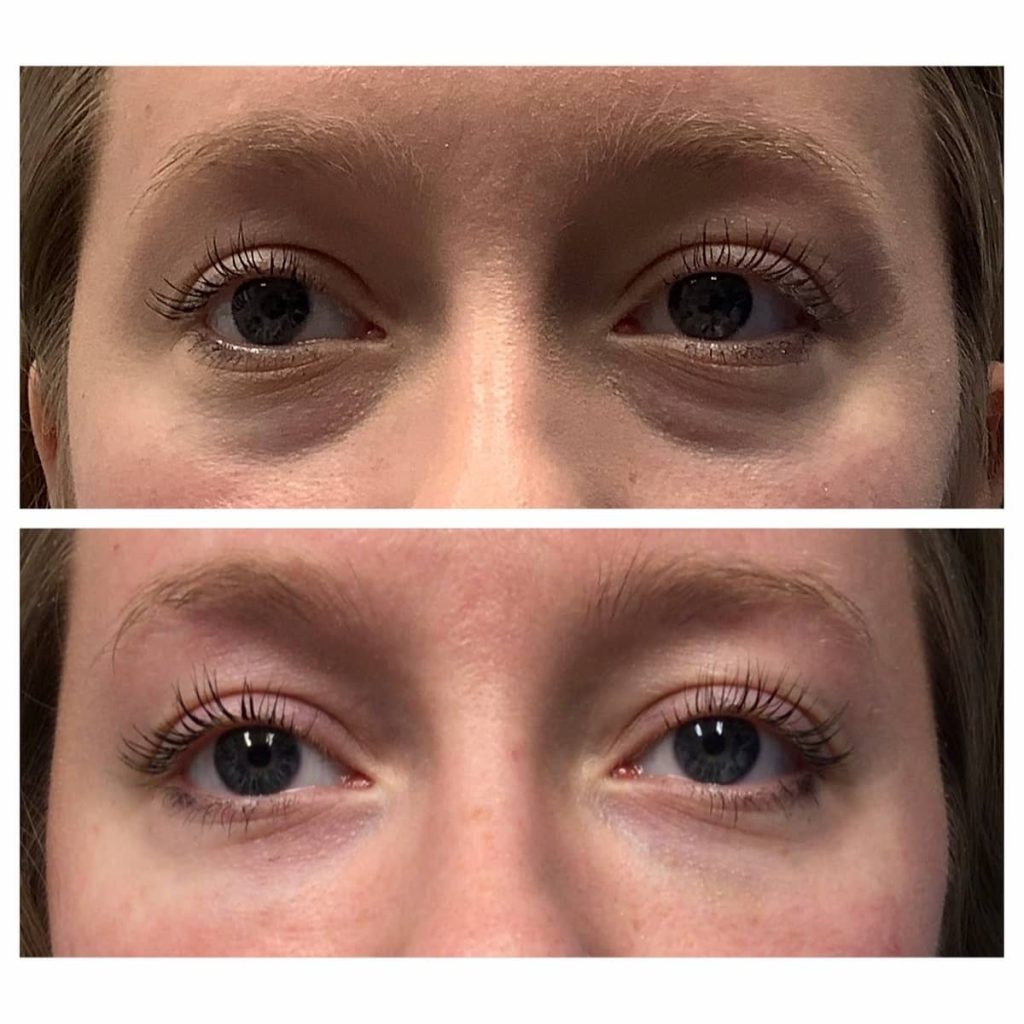
Dermal fillers are injectable treatments that can add volume, soften certain wrinkles, and improve facial balance. They’re commonly used to address concerns like age-related volume loss, deeper folds, and areas that look “tired” due to shadowing (such as under the eyes).
Because there are multiple filler types and many ways to use them, the best results typically come from an individualized plan tailored to your facial anatomy, goals, and medical history.


What Are Dermal Fillers?
Dermal fillers are gel-like substances injected under the skin to restore volume, enhance facial contours, and improve the appearance of certain lines and folds. Different fillers are designed for different depths and purposes—some are better for subtle refinement, while others are meant for deeper structural support.
What Do Dermal Fillers Treat?
Fillers may help improve:
- Cheeks and midface volume loss (a common contributor to a “tired” look)
- Nasolabial folds (smile lines)
- Marionette lines (lines from the corners of the mouth downward)
- Chin and jawline definition (structure and balance)
- Lip shape and volume (definition, symmetry, hydration effect depending on product)
- Under-eye hollowing in select candidates (often called tear troughs, requires careful evaluation.
- Temples (hollowing can occur with age and weight loss)
- Hands (less common, but an option in some practices)
A good injector will also assess whether a concern is better treated with Botox (for muscle-related lines) rather than filler (for volume-related concerns).
What’s the Difference Between Botox and Dermal Fillers?
They treat different causes of aging:
- Botox (neuromodulator): relaxes targeted muscles to soften expression lines (like frown lines and crow’s feet).
- Fillers: add volume and support, helping areas that look hollow, sunken, or where skin folds deepen due to volume loss.
Many patients benefit from a combination approach—done thoughtfully and conservatively.
What Are Fillers Made Of?
The most common fillers in cosmetic dermatology are:
- Hyaluronic acid (HA) fillers: HA is a naturally occurring substance in the body that attracts water and adds volume. These are popular because results can be adjusted and, importantly, dissolved if needed with hyaluronidase.
- Biostimulatory fillers: These work by stimulating the body’s collagen response over time. They can be effective for certain patterns of volume loss, but they are not used the same way as HA fillers and are not “one-size-fits-all.”
Your provider will recommend a product based on the area treated, your anatomy, and your goal (subtle refinement vs. structural support).
Are Dermal Fillers Safe?
When performed by trained medical professionals using appropriate products and techniques, fillers are widely used. Safety depends on:
- Proper patient selection
- Sterile technique
- Understanding facial anatomy and vascular structures
- Appropriate product choice for each area
- Conservative treatment planning
- Clear aftercare guidance and access to follow-up
How Long Do Dermal Fillers Last?
Longevity varies significantly by:
- The filler type and thickness
- The treatment area (lips often metabolize faster than cheeks)
- Your metabolism and activity level
- The amount used and the technique
In many cases, results may last several months to over a year, but this can vary widely. Your provider can give a more realistic range after evaluating the treatment plan for your specific areas.
Will I Look “Overdone” or Unnatural
A natural look is often a matter of:
- Appropriate product choice
- Conservative dosing
- An injector who focuses on facial balance
- Treating the right areas (sometimes restoring cheek support improves lower-face lines without chasing each line)
If your main concern is looking unnatural, it’s helpful to say that upfront. Many practices can plan a gradual approach (for example: start conservatively, reassess, and build over time if desired).
What Should I Expect After Dermal Fillers?
Normal short-term effects can include:
- Swelling (especially in the lips)
- Tenderness
- Bruising
- A feeling of firmness or “fullness” that softens as swelling resolves
How Soon Will I See Results?
Many fillers provide immediate volume, but swelling can temporarily change the look. Final results are typically easier to assess after swelling settles—often within several days to a couple of weeks, depending on the area and individual response.
How Do I Maintain Results?
Maintenance depends on your goals and how quickly your body metabolizes the product. Many patients schedule periodic touch-ups rather than waiting for results to fully fade. Your provider can recommend a timeline after your first treatment.
When Should I Schedule A Consultation?
- You notice facial volume loss, deeper folds, or hollowing
- You want subtle enhancement while maintaining a natural look
- You’re unsure whether you need Botox, fillers, or another approach
- You’ve had filler in the past and want an updated plan

Schedule a Dermal Filler Consultation in Jacksonville
If you’re considering dermal fillers in Jacksonville, our team can discuss options and recommend a plan based on your facial anatomy and goals. Contact us by calling (904) 420-7372 or filling out our contact form.
GET IN TOUCH