
Patients seeking cosmetic dermatology treatments often seek experienced medical providers who focus on natural-looking outcomes and personalized care.
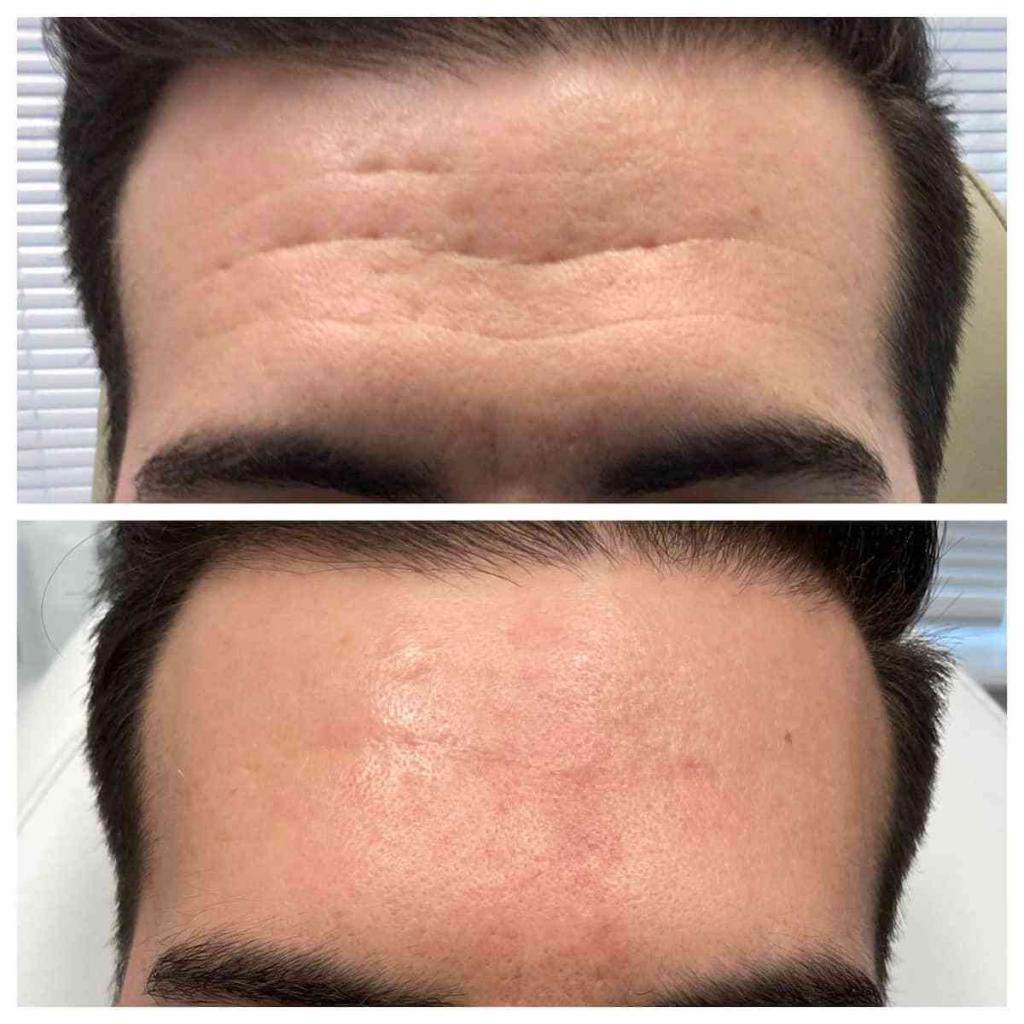
Forehead wrinkles are one of the most common cosmetic concerns people notice as their skin changes over time. These lines often appear gradually and may become more noticeable when raising the eyebrows or making facial expressions.
For many patients, Botox is a commonly requested treatment for softening forehead lines and helping the skin appear smoother.


Why Forehead Wrinkles Develop
Forehead wrinkles usually form due to repeated muscle movement over time. Each time you raise your eyebrows, the muscles in your forehead contract, folding the skin. Over the years, these repeated expressions can make lines more visible. Several factors contribute to forehead wrinkles:
- Facial Expression Patterns
- Frequent eyebrow movement, such as in expressions of surprise, concentration, or emphasis, can gradually create horizontal lines.
- Natural Aging
- As skin ages, it produces less collagen and elastin, the structural proteins that keep skin firm and resilient.
- Sun Exposure
- Ultraviolet (UV) exposure can accelerate skin aging and contribute to wrinkle formation.
- Skin Thickness and Genetics
- Some individuals naturally develop forehead lines earlier due to skin characteristics and genetic factors. These wrinkles may initially appear only during expression, but over time, they can remain visible even at rest.
What Is Botox?
Botox is a neuromodulator treatment that temporarily relaxes specific facial muscles. It contains a purified form of botulinum toxin type A, which works by reducing the signal between nerves and targeted muscles.
When injected into the forehead muscles, Botox can:
- Reduce excessive muscle contraction
- Allow the skin to rest
- Soften the appearance of wrinkles
Because Botox affects muscle movement rather than the skin surface itself, it targets the underlying cause of expression lines. Results vary from person to person, and a consultation is required to determine whether Botox is appropriate.
How Soon Do Botox Results Appear?
Botox does not produce immediate results. The medication begins working gradually as it reduces nerve signals to the muscle.
Most patients notice changes in the following timeline:
- 3–4 days: Early muscle relaxation may begin
- 7–10 days: Visible softening of wrinkles often develops
- 10–14 days: Full results typically appear
Because results develop gradually, the change usually appears subtle and natural.
How Long Does Botox for Forehead Wrinkles Last?
Botox results are temporary. Most patients notice effects lasting approximately 3–4 months. Over time, the muscle activity gradually returns, and wrinkles may slowly become visible again. Many patients choose to maintain results with periodic treatments throughout the year.
Treatment frequency varies depending on:
- Muscle strength
- Metabolism
- Desired level of wrinkle reduction
Who Is a Good Candidate for Botox?
Botox may be appropriate for adults who have:
- Horizontal forehead wrinkles
- Dynamic lines caused by facial movement
- Early signs of aging in the upper face
- Realistic expectations about treatment
Many patients begin Botox when they notice wrinkles that remain visible after facial expressions relax. Others may choose treatment earlier to reduce repetitive muscle movement that contributes to deeper lines over time. Candidacy depends on individual facial anatomy and medical history.
When Botox May Not Be Recommended
Botox may not be appropriate for certain individuals, including those who:
- Are pregnant or breastfeeding
- Have certain neuromuscular conditions
- Have an active infection in the treatment area
Your provider will review your medical history and discuss whether Botox is appropriate during the consultation.
Possible Side Effects of Botox
Botox is widely used in dermatology and cosmetic medicine, but all medical treatments carry potential risks.
Common temporary effects may include:
- Mild redness at injection sites
- Small bumps that resolve within hours
- Minor bruising
Less common side effects may include temporary eyebrow heaviness or uneven muscle response. Choosing experienced medical providers and following aftercare instructions may help reduce these risks.
Schedule a Consultation Today
If you are considering Botox for forehead wrinkles, a consultation allows our dermatology providers to evaluate your skin and discuss treatment options tailored to your goals. Contact us today by calling (904) 420-7372 or filling out our contact form.
GET IN TOUCH