
Discover what raised liver spots are, what causes them, and how to treat or prevent them. Contact us today to schedule an appointment.
If you’ve noticed new brown or tan spots on your skin — especially if they’re raised — you’re not alone. Many adults begin to see these changes on their hands, face, shoulders, and chest as they age. Commonly referred to as liver spots, these pigmented patches are often harmless but can be concerning when they appear suddenly or change in appearance.


🌞 What Are Liver Spots?
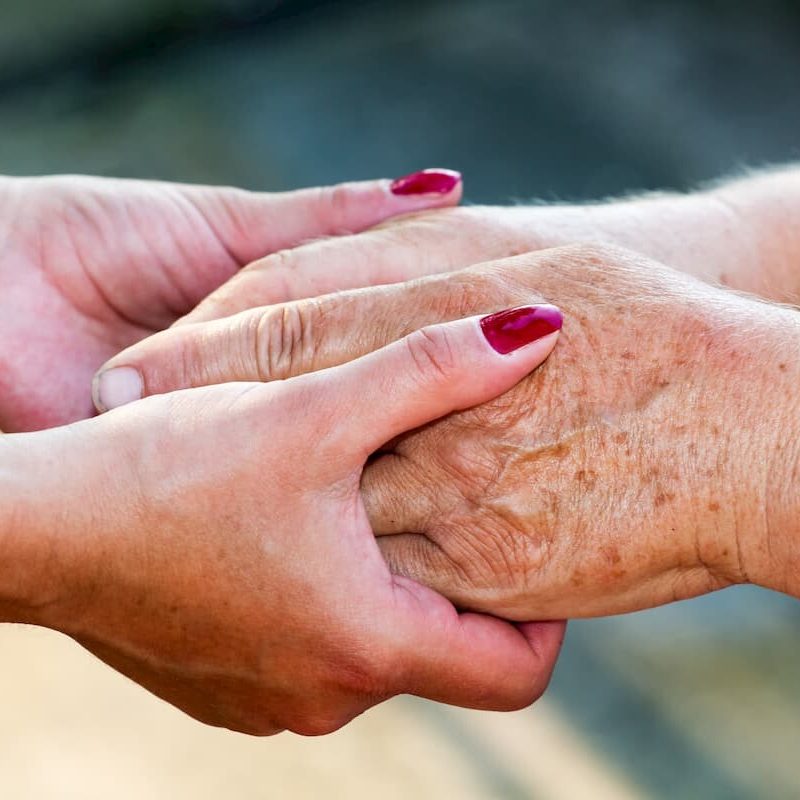
Liver spots, also called age spots or solar lentigines, are flat or slightly raised patches of skin that range in color from light brown to dark brown or black. They often appear in areas frequently exposed to the sun, such as:
- Face
- Hands
- Shoulders
- Chest
- Forearms
- Upper back
Despite the name, liver spots have nothing to do with your liver. The term is outdated and based on old, incorrect theories. These spots, instead, are the result of long-term sun exposure and aging skin.
🧬 Why Do Liver Spots Develop?
Liver spots form when melanin, the natural pigment that gives your skin its color, is produced in excess. Over time, UV radiation from the sun accelerates this melanin production in localized areas, leading to spots.
Top Causes:
- Chronic sun exposure over many years
- Tanning beds
- Skin aging
- Genetic predisposition
- Light skin tone (more susceptible to sun-related changes)
👉 Are Liver Spots Dangerous?
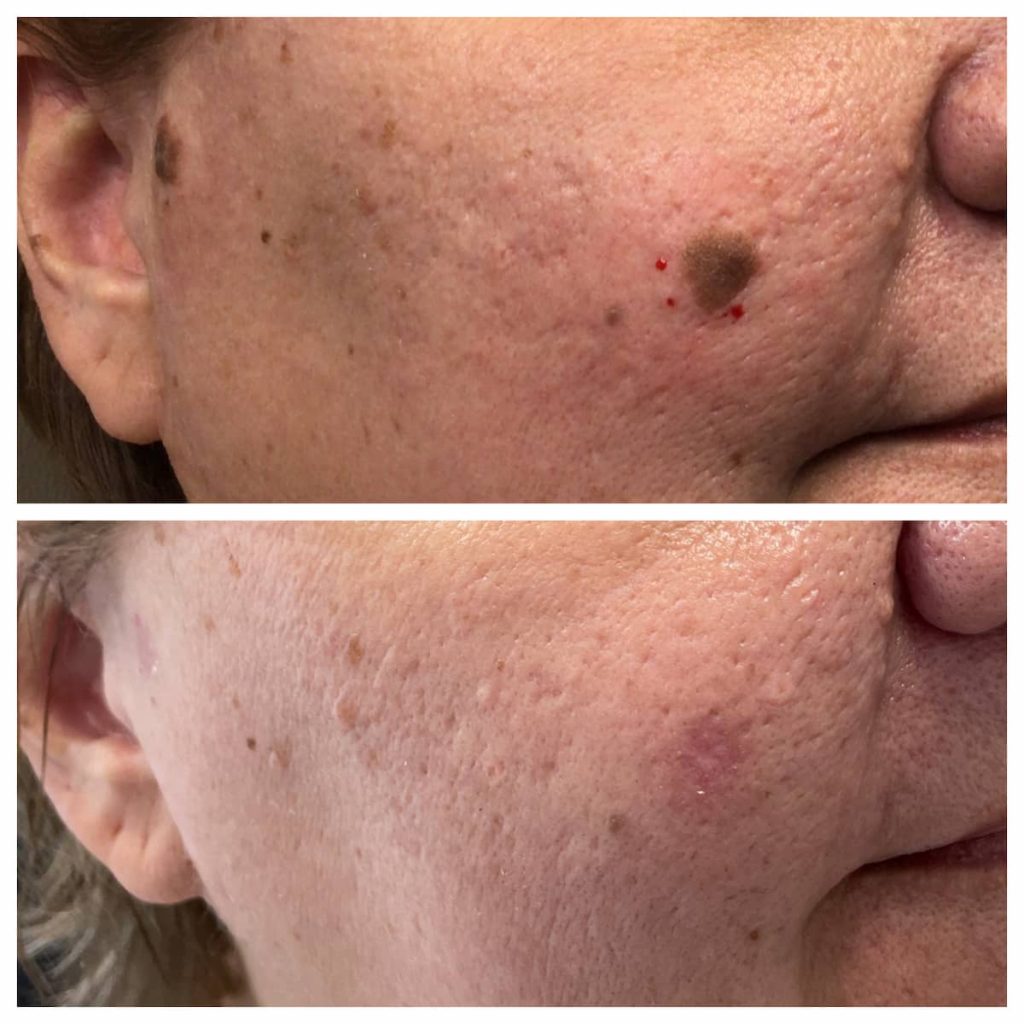
In most cases, no. Liver spots are benign (non-cancerous). However, they can resemble precancerous or cancerous lesions, so it’s important to have any new or changing spots evaluated by a board-certified dermatologist — especially if they are raised, grow in size, itch, bleed, or have uneven borders.
🔍 What About Raised Liver Spots?
Many people associate age spots with flat discoloration, but some liver spots can become slightly raised or develop a waxy, wart-like texture. These are often:
Seborrheic Keratoses
These are harmless skin growths that often appear alongside traditional age spots. They’re common in middle-aged and older adults and may:
- Be tan, brown, or black
- Look waxy, scaly, or slightly elevated
- Appear on the trunk, face, or neck
💡 When to See a Dermatologist
Although most liver spots are harmless, early evaluation is key. You should book a dermatology appointment if you notice:
- A new or rapidly growing spot
- Changes in color, size, or shape
- A spot that itches, bleeds, or crusts
- Spots that are dark black or have uneven borders
At Jacksonville Dermatology & Cosmetic Surgery (JDC), we use dermatoscopic tools and biopsy techniques to distinguish harmless spots from potentially serious ones, like:
- Actinic keratoses (precancerous)
- Basal cell carcinoma
- Melanoma (a dangerous form of skin cancer)
✅ Treatment Options for Liver Spots
Whether you’re seeking treatment for cosmetic reasons or discomfort, JDC offers safe, effective solutions for raised liver spots and age-related pigmentation.
✨ 1. Cryotherapy (Freezing)
Liquid nitrogen is used to freeze and remove the spot. The skin may blister, peel, and heal over 1–2 weeks. Best for individual spots.
🧴 2. Prescription Topicals
Products containing hydroquinone, retinoids, or azelaic acid can gradually lighten dark spots over time.
🧼 3. Chemical Peels
Medical-grade peels exfoliate the top layer of skin, reducing discoloration and improving overall tone.
🛡️ How to Prevent Liver Spots
The best treatment is prevention. Even in sunny Jacksonville, simple lifestyle changes can help reduce your risk of developing new liver spots or worsening existing ones.
🌤️ Top Prevention Tips:
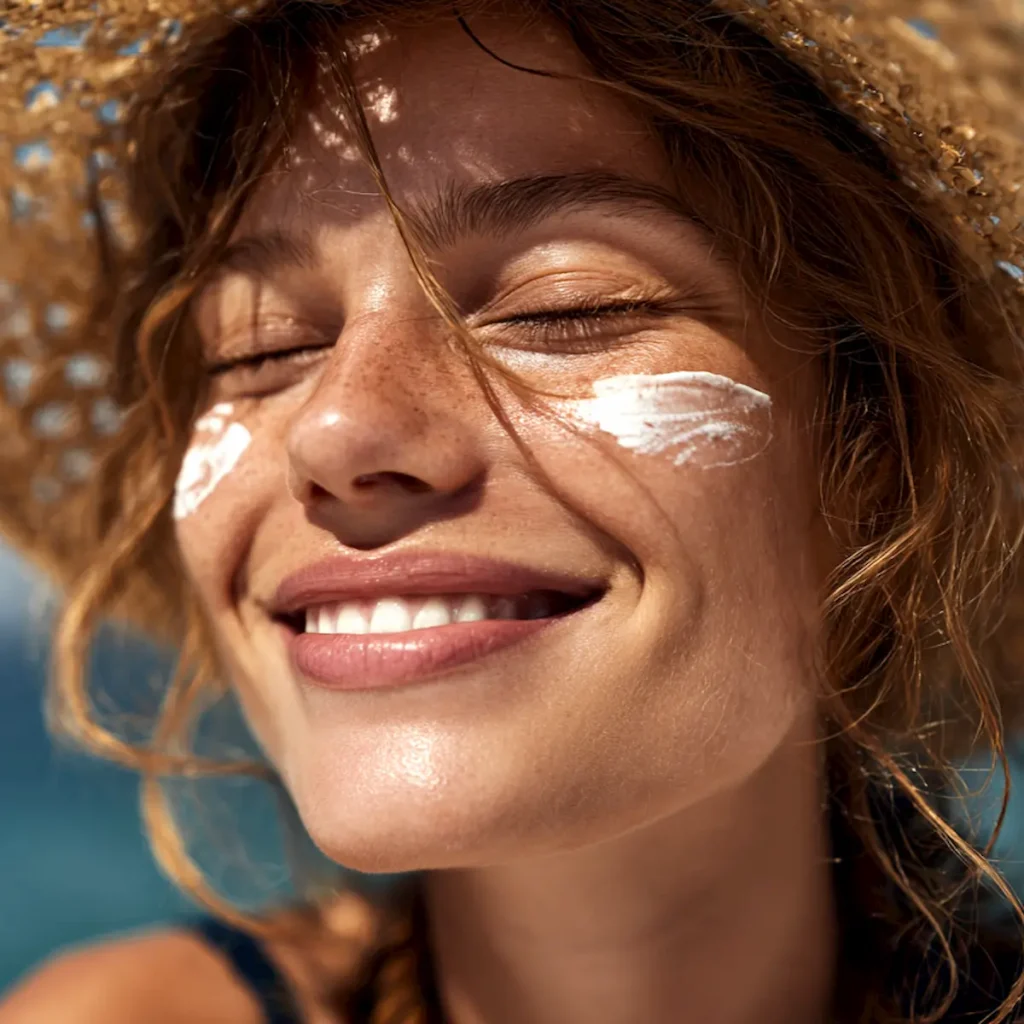
- Apply broad-spectrum sunscreen (SPF 30+) daily, even on cloudy days
- Wear hats and protective clothing when outdoors
- Avoid tanning beds
- Use antioxidant-rich skincare to protect against sun damage
- Schedule annual skin checks with a dermatologist
Ready to Address Raised Liver Spots?
Schedule a consultation today to learn which treatment is best for your skin. We proudly serve patients throughout Jacksonville, Ponte Vedra, Orange Park, and Northeast Florida.
👉 Call (904) 420-7372 or Request Appointment Online
GET IN TOUCH