
Sudden skin tags? Learn the common causes from friction and hormones to insulin resistance and explore safe, effective removal options.
Skin tags are extremely common, yet many patients are surprised when they seem to appear all at once. If you’ve recently noticed new skin tags developing on your neck, underarms, eyelids, or other areas, you’re not alone—and in most cases, there is a clear explanation.
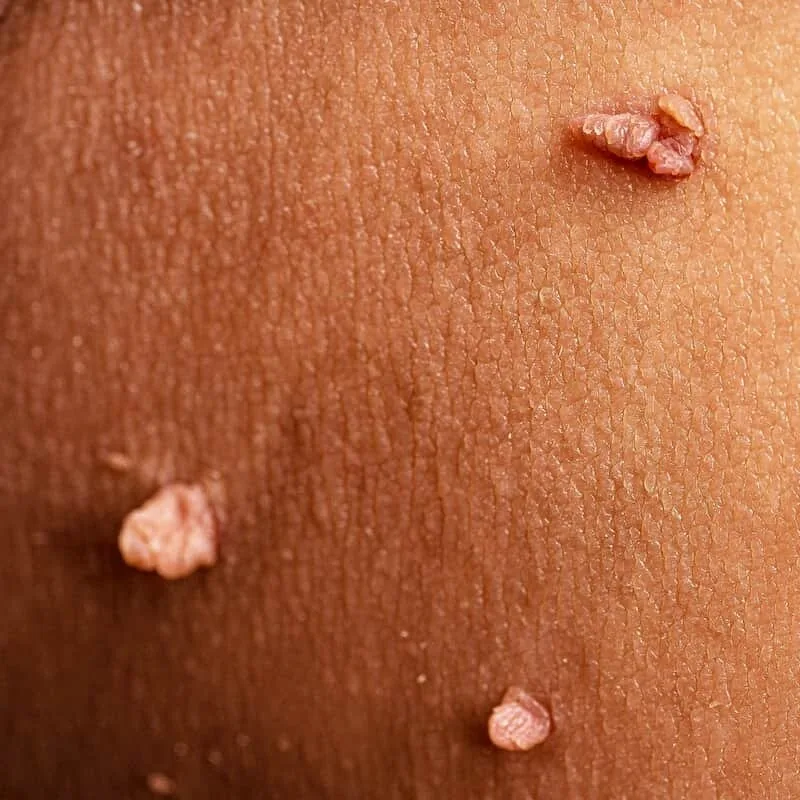
What Are Skin Tags?
Skin tags, medically known as acrochordons, are benign (non-cancerous) growths of skin. They are typically:
- Soft and flesh-colored or slightly darker
- Attached to the skin by a small stalk
- Painless and slow-growing
Why Am I Getting Skin Tags All of a Sudden?
While skin tags often develop gradually, certain factors can cause them to appear more rapidly or in clusters.
1. Friction and Skin-to-Skin Contact
One of the most common triggers is repeated friction, especially in areas such as:
- Neck
- Underarms
- Groin
- Under the breasts
- Inner thighs
Weight changes, new clothing habits, or increased physical activity can increase friction and contribute to the formation of sudden skin tags.
2. Hormonal Changes
Hormonal shifts can play a significant role. Skin tags are more common during:
- Pregnancy
- Menopause
- Hormonal imbalances
- Certain endocrine conditions
Hormones influence how skin cells grow and regenerate, which may explain why skin tags appear more frequently during these times.
3. Insulin Resistance and Blood Sugar Changes
Research has shown a strong association between skin tags and insulin resistance, which may be related to:
- Prediabetes
- Type 2 diabetes
- Metabolic syndrome
If skin tags appear suddenly and in large numbers, your dermatologist may recommend discussing blood sugar testing with your primary care provider.
4. Age-Related Skin Changes
Skin tags become more common after age 40. As collagen and elastin levels change with age, the skin becomes more susceptible to benign growths.
Are Skin Tags Ever a Cause for Concern?
In most cases, skin tags are harmless. However, you should seek evaluation by a dermatologist if a growth:
- Changes color rapidly
- Becomes painful or bleeds
- Grows quickly or irregularly
- Is firm, pigmented, or ulcerated
These features may indicate that the lesion is not a skin tag and should be evaluated by a professional.
Can Skin Tags Go Away on Their Own?
Skin tags do not usually fall off or resolve on their own. While they may remain stable in size, they typically persist unless removed.
Should I Remove Skin Tags at Home?
Many over-the-counter remedies and home methods are marketed for skin tag removal, including cutting, freezing kits, or topical solutions. These approaches are not recommended, especially for skin tags on the face, eyelids, or areas with poor healing.
Potential risks of at-home removal include:
- Infection
- Bleeding
- Scarring
- Misdiagnosis of a more serious lesion
Professional Skin Tag Removal Options
At a dermatology practice, skin tag removal is quick and minimally invasive.
Common in-office treatments include:
- Snip excision for small or stalked skin tags
- Electrocautery to remove and seal the area
- Cryotherapy in select cases

Schedule a Consultation
At Jacksonville Dermatology & Cosmetic Surgery, our board-certified dermatologists provide expert evaluation and safe, effective skin tag removal in a clinical setting. We treat patients from Jacksonville and the surrounding areas, focusing on both medical accuracy and patient comfort.
Contact Jacksonville Dermatology & Cosmetic Surgery to request an appointment and receive personalized dermatologic care.
GET IN TOUCH