
Rosacea
Rosacea is more than just occasional redness — it’s a chronic, inflammatory skin condition that can significantly affect your comfort, appearance, and confidence.
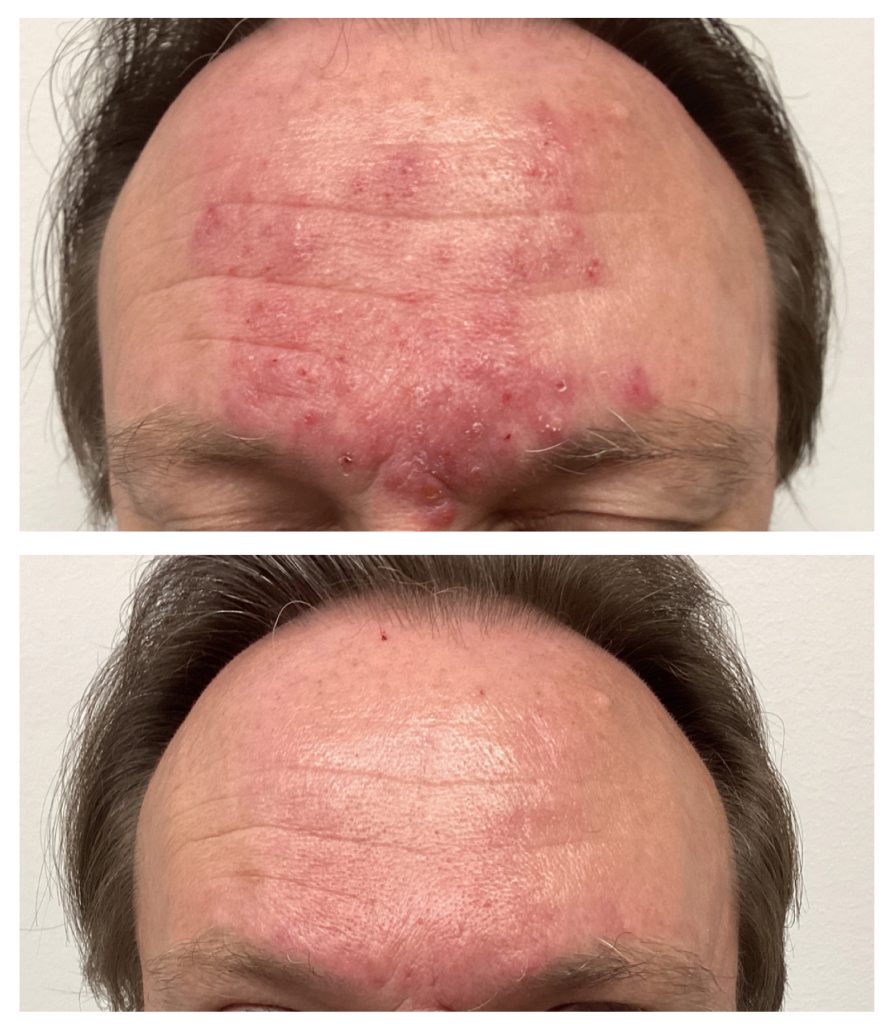
What Is Rosacea?
Rosacea is a chronic skin disorder that affects the face, especially the cheeks, nose, forehead, and chin. It typically starts with frequent flushing or redness and can progress to persistent inflammation, visible blood vessels (telangiectasia), and breakouts.
Though the exact cause is unknown, rosacea is linked to:
- Abnormal blood vessel function
- Immune system overactivity
- Skin barrier dysfunction
- Genetic and environmental triggers
It often appears between ages 30 and 50, and it is more common in those with fair skin, though it can affect all skin tones.
Signs & Symptoms of Rosacea
Rosacea symptoms vary by subtype and severity. You may experience:
- Persistent facial redness or flushing
- Visible blood vessels (spider veins or telangiectasia)
- Bumps or pimples resembling acne (without blackheads)
- Dry, sensitive, or stinging skin
- Swelling or puffiness in the cheeks and nose
- Eye irritation (ocular rosacea): dryness, burning, or red, watery eyes
- Thickened skin, especially on the nose (rhinophyma, more common in men)
What Causes Rosacea?
While the precise cause remains under study, rosacea is thought to result from a combination of genetic, immune, and environmental factors.
Common Rosacea Triggers:
- Sun exposure
- Stress or emotional changes
- Hot or spicy foods
- Alcohol (especially red wine)
- Hot beverages
- Extreme temperatures
- Skin care products with fragrance or alcohol
- Heavy exercise
How We Diagnose Rosacea at Our Clinic
Our dermatologists begin with a comprehensive skin evaluation to:
- Confirm the diagnosis (and rule out acne, lupus, or seborrheic dermatitis)
- Identify your subtype and triggers
- Create a treatment plan tailored to your skin type, severity, and lifestyle
Rosacea Treatment Options at Our Clinic
There’s no cure for rosacea, but it can be effectively controlled with the right treatment plan. At JDC, we combine prescription therapy and skincare guidance to reduce symptoms and prevent flares.
1. Topical Prescription Medications
These help reduce redness, inflammation, and acne-like breakouts:
- Metronidazole cream or gel (anti-inflammatory)
- Azelaic acid (anti-redness and acne control)
- Ivermectin cream (targets inflammation and skin mites)
- Brimonidine or oxymetazoline (reduces redness by constricting blood vessels)
2. Oral Medications
Used for moderate to severe rosacea or when topical therapy is not enough:
- Low-dose doxycycline (an anti-inflammatory antibiotic)
- Isotretinoin (for resistant cases of phymatous rosacea)
3. Customized Skincare for Sensitive Skin
Your daily skincare routine plays a major role in rosacea control. Our team helps you build a routine with:
- Fragrance-free, gentle cleansers
- Barrier-repair moisturizers
- Mineral-based SPF (zinc oxide or titanium dioxide)
- Avoidance of alcohol-based or exfoliating products
Lifestyle & Self-Care Tips for Rosacea Management
- Use lukewarm water (not hot) for washing your face
- Pat skin dry — avoid rubbing
- Apply SPF daily, even when cloudy
- Keep a trigger diary to monitor reactions
- Choose non-comedogenic, hypoallergenic cosmetics
- Manage stress through exercise, yoga, or relaxation techniques
Why Choose JDC for Rosacea Treatment in Jacksonville, FL?
At Jacksonville Dermatology & Cosmetic Surgery, our team is committed to helping you regain confidence and comfort through expert rosacea care. We combine:
- Board-certified dermatology expertise
- Tailored skincare recommendations
- Patient education and long-term support
- A gentle, patient-centered approach
Get Rosacea Relief — Book Your Consultation Today
If you’re tired of the flushing, burning, and breakouts that come with rosacea, you’re not alone — and you’re not stuck with it.
Call our office at (904) 420-7372 or request an appointment online to schedule your evaluation
with our dermatology experts in Jacksonville, FL.
GET IN TOUCH