
If you are concerned about a mole on your face or are considering cosmetic removal, a dermatology evaluation can help determine whether removal is appropriate.
Moles are very common skin growths. Many people have them on the arms, back, and legs, but moles on the face often receive the most attention because they are more visible.
Some patients consider facial mole removal for cosmetic reasons, while others want a dermatologist to evaluate a mole that has changed in size, shape, or color.
If you are considering mole removal on the face, it’s natural to have questions about the process—especially whether removal may leave a scar.
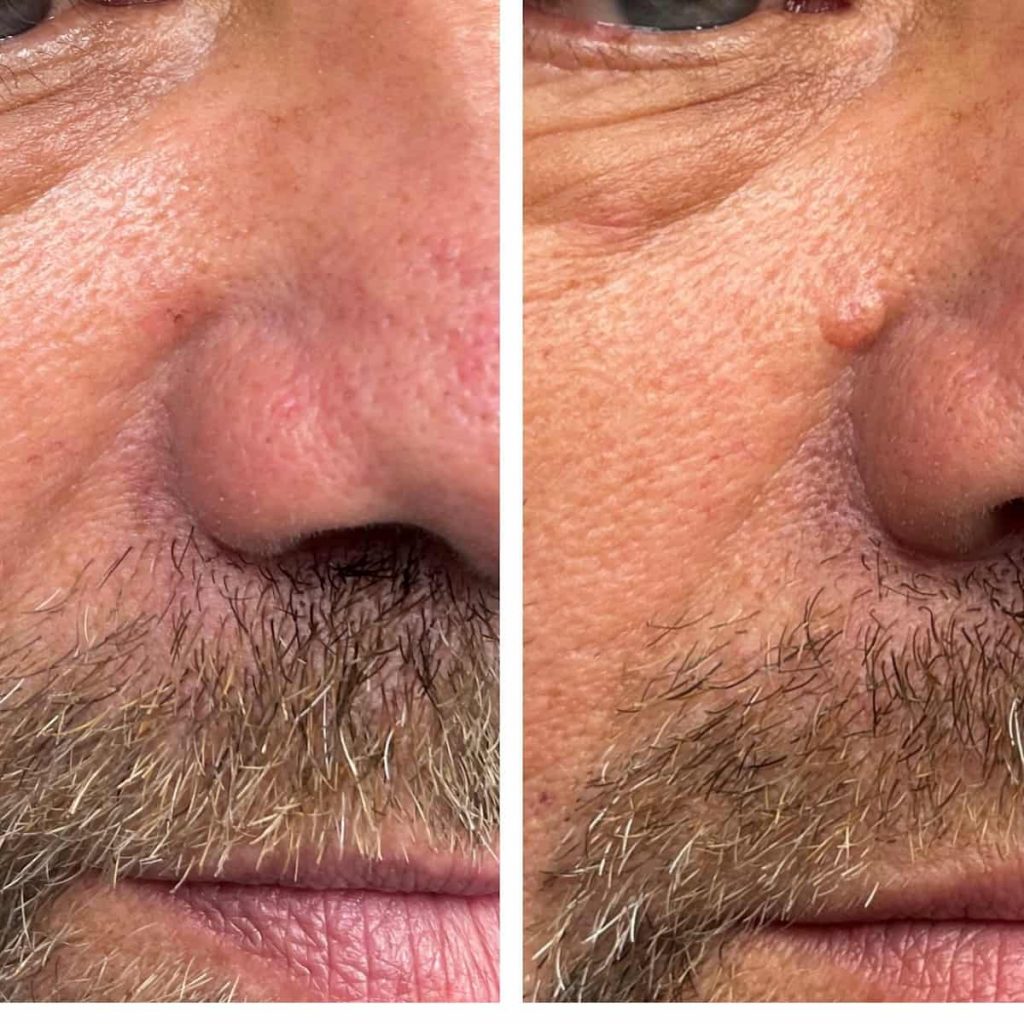


What Is a Mole?
A mole, also called a nevus, is a common type of skin growth that develops when pigment-producing cells called melanocytes grow in clusters. Moles may appear:
- Brown, tan, black, pink, or skin-colored
- Flat or raised
- Smooth or slightly textured
- Round or oval in shape
Most moles are benign (non-cancerous) and do not require treatment.
However, dermatologists may recommend evaluation or removal when a mole:
- Changes in appearance
- Causes irritation
- Bleeds or crusts
- Becomes bothersome cosmetically
Why Patients Choose Facial Mole Removal
There are two main reasons people seek mole removal on the face.
Medical Evaluation
Dermatologists may recommend removing a mole if it appears suspicious or shows signs that warrant further examination.
Examples include moles that:
- Change in color or size
- Have irregular borders
- Become darker or uneven
- Bleed or itch unexpectedly
In these cases, the removed mole is typically sent to a laboratory for pathology analysis.
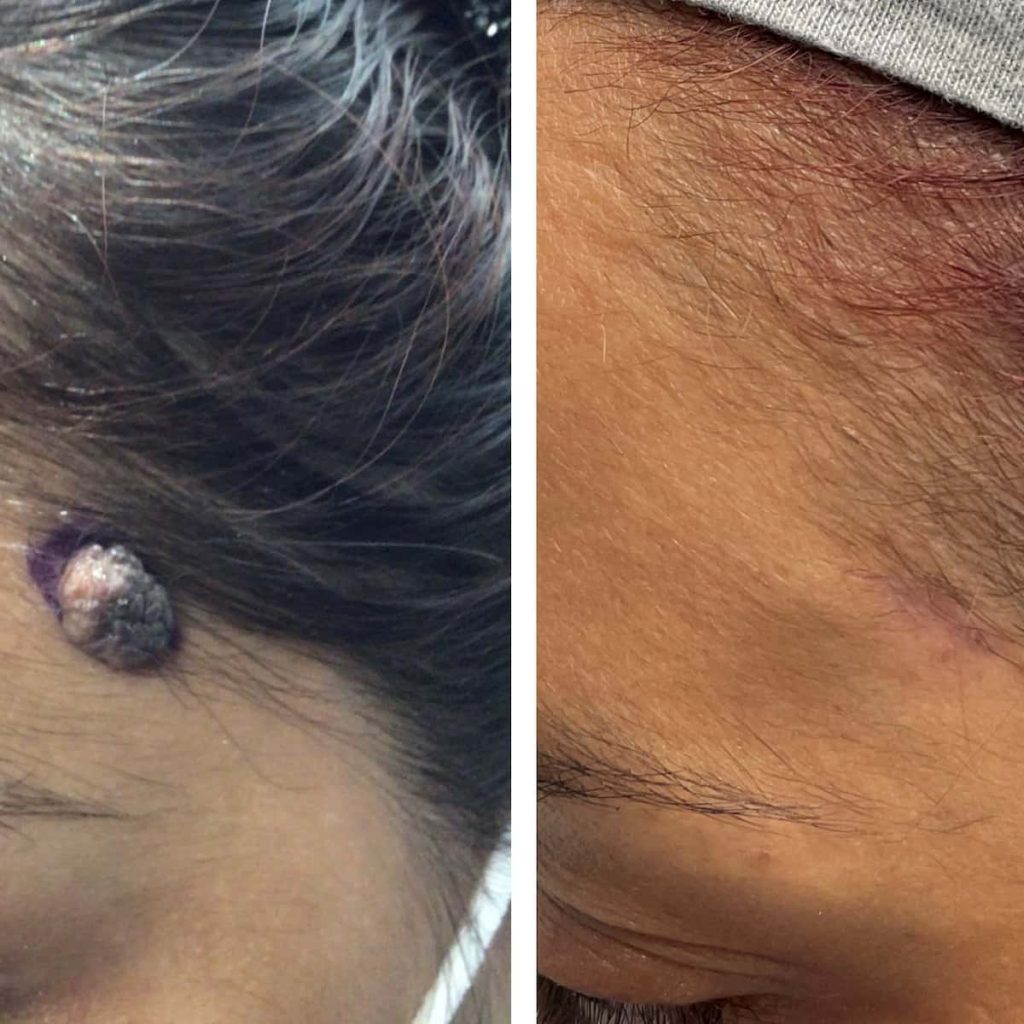
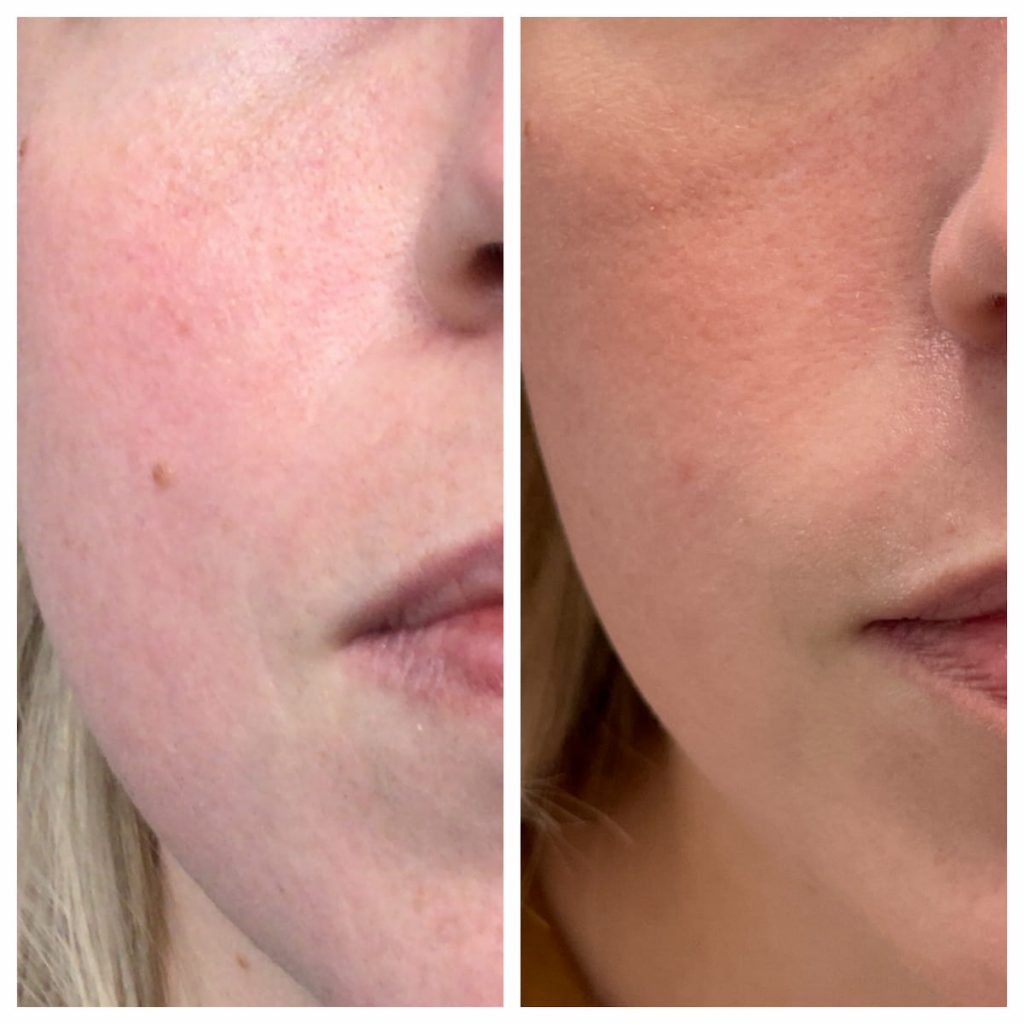
Cosmetic Concerns
Some facial moles are harmless but may affect how patients feel about their appearance. Patients may choose removal if a mole:
- Is raised or prominent
- Interferes with shaving or skincare
- Draws attention due to its location
- Has grown larger over time
Dermatology providers can help determine whether cosmetic removal may be appropriate.
Types of Facial Mole Removal
Dermatologists may use different techniques depending on the type of mole.
Shave Removal
Shave removal is commonly used for raised moles that sit above the skin surface. During this procedure:
- The area is numbed with a local anesthetic
- A specialized blade removes the raised portion of the mole
- The skin surface is smoothed
This technique does not require stitches. Healing usually occurs as the skin naturally repairs the treated area.
Surgical Excision
Some moles extend deeper into the skin and require full removal through surgical excision. During excision:
- Local anesthesia is applied
- The mole and a small margin of surrounding tissue are removed
- The skin is closed with stitches
This technique is often used when:
- A mole needs laboratory evaluation
- The mole extends deeper beneath the skin
- Complete removal is recommended
Will Removing a Mole on the Face Leave a Scar?
This is one of the most common questions patients ask. Any procedure that affects the skin carries the possibility of scarring, including mole removal. However, dermatology providers aim to minimize visible scarring, especially on the face.
Several factors influence how noticeable a scar may be:
Mole Size and Depth
Deeper moles that extend deeper into the skin may require more extensive removal, increasing the likelihood of a scar. Smaller or raised surface moles may heal with minimal visible marks.
Removal Technique
Different removal techniques produce different healing patterns. For example:
- Shave removal typically heals without stitches
- Surgical excision involves stitches and may leave a fine line scar
Providers choose techniques based on what is medically appropriate for the mole.
Individual Healing Response
Every person heals differently. Scar appearance can be influenced by:
- Skin type
- Genetics
- Age
- Aftercare
- Sun exposure during healing
Tips to Support Good Healing
Following aftercare instructions can help support the healing process.
Dermatology providers often recommend:
- Keeping the Area Moist
- Applying a recommended ointment helps protect the healing skin.
- Avoiding Picking
- Allowing the skin to heal naturally reduces the risk of scarring.
- Protecting From Sun Exposure
- Sun protection is especially important for healing skin. Using sunscreen may help prevent darkening of the healing area.
- Attending Follow-Up Visits
- Your provider may want to monitor healing or review pathology results if testing was performed.
Schedule an Appointment With Us Today
If you would like to have a mole examined or discuss removal options, scheduling an appointment with a dermatology provider is the best first step. Contact us today by either calling us at (904) 420-7372 or filling out our online contact form.
GET IN TOUCH